Key Takeaways
- Ulemas in 54 underserved union councils and high-risk border areas of Khyber Pakhtunkhwa support vaccination.
- Community trust in vaccination has improved, enhancing routine childhood immunization.
- The Medical Emergency Resilience Foundation (MERF) and the Expanded Programme on Immunization (EPI) are implementing the program.
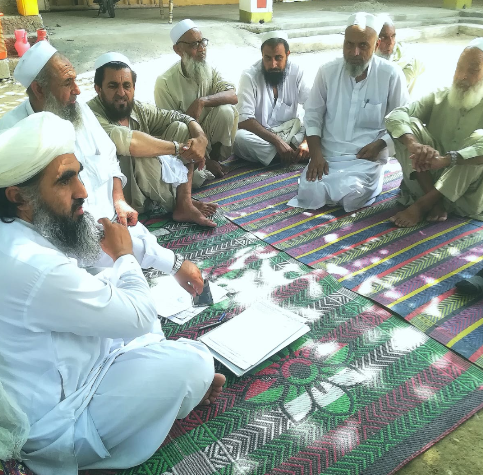
Support from influential religious scholars, or ulemas, in 54 underserved union councils and several high-risk border areas of Khyber Pakhtunkhwa has significantly bolstered community trust in vaccination, according to a recent report.
The Medical Emergency Resilience Foundation (MERF) and the Expanded Programme on Immunization (EPI) are collaborating to implement this initiative, which aims to improve routine childhood immunization against 13 vaccine-preventable diseases.
The support from ulemas has been instrumental in addressing concerns and misinformation that previously hindered vaccination efforts in these areas.
Community trust has notably improved, with more parents and caregivers now willing to vaccinate their children, thereby contributing to higher immunization rates.
The program focuses on areas where access to healthcare and information about the benefits of vaccination has been limited, making it particularly impactful.
By working closely with local religious leaders, the initiative has managed to bridge the gap between communities and healthcare providers, fostering a more collaborative approach to public health.
The success of this program underscores the importance of community engagement and the role of trusted local figures in promoting public health initiatives.