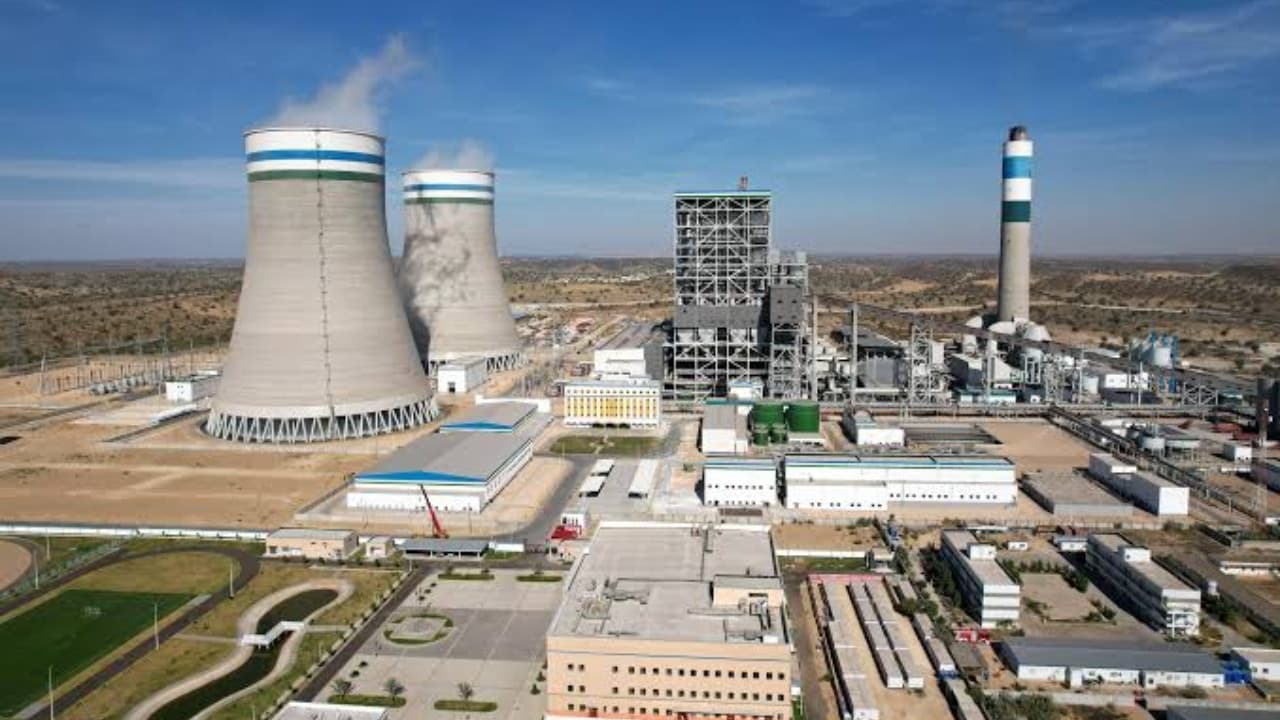
The United Nations Development Programme (UNDP) and the Sindh government jointly inaugurated Pakistan’s first biomass energy demonstration plant in Sajawal, Sindh.
Located in the Pinnah Reserved Forest, the facility serves as the first of four planned demonstration sites under a specific initiative. The plant was established through the Promotion and Application of Sustainable Biomass Energy Technologies in Pakistan (PASBET) project, which is funded by the Global Environment Facility.
The UNDP implements the PASBET project in partnership with the Ministry of Climate Change and Environmental Coordination. This five-year project involves a $3.5 million investment to promote sustainable biomass energy technologies across Sindh, Punjab, Balochistan, and Khyber Pakhtunkhwa.
The United Nations Development Programme said the Pinnah Reserved Forest shows how agricultural and forest residues can create livelihoods through community nurseries, pellet production, and efficient cook-stoves.
Dr Samuel Rizk said, “Pakistan does not have to choose between meeting rural energy needs and protecting its forests. This plant shows how locally available residues can be turned into cleaner fuel, local opportunity and a more sustainable energy model. The task now is to make that model work at scale, with communities, government and markets moving together.”