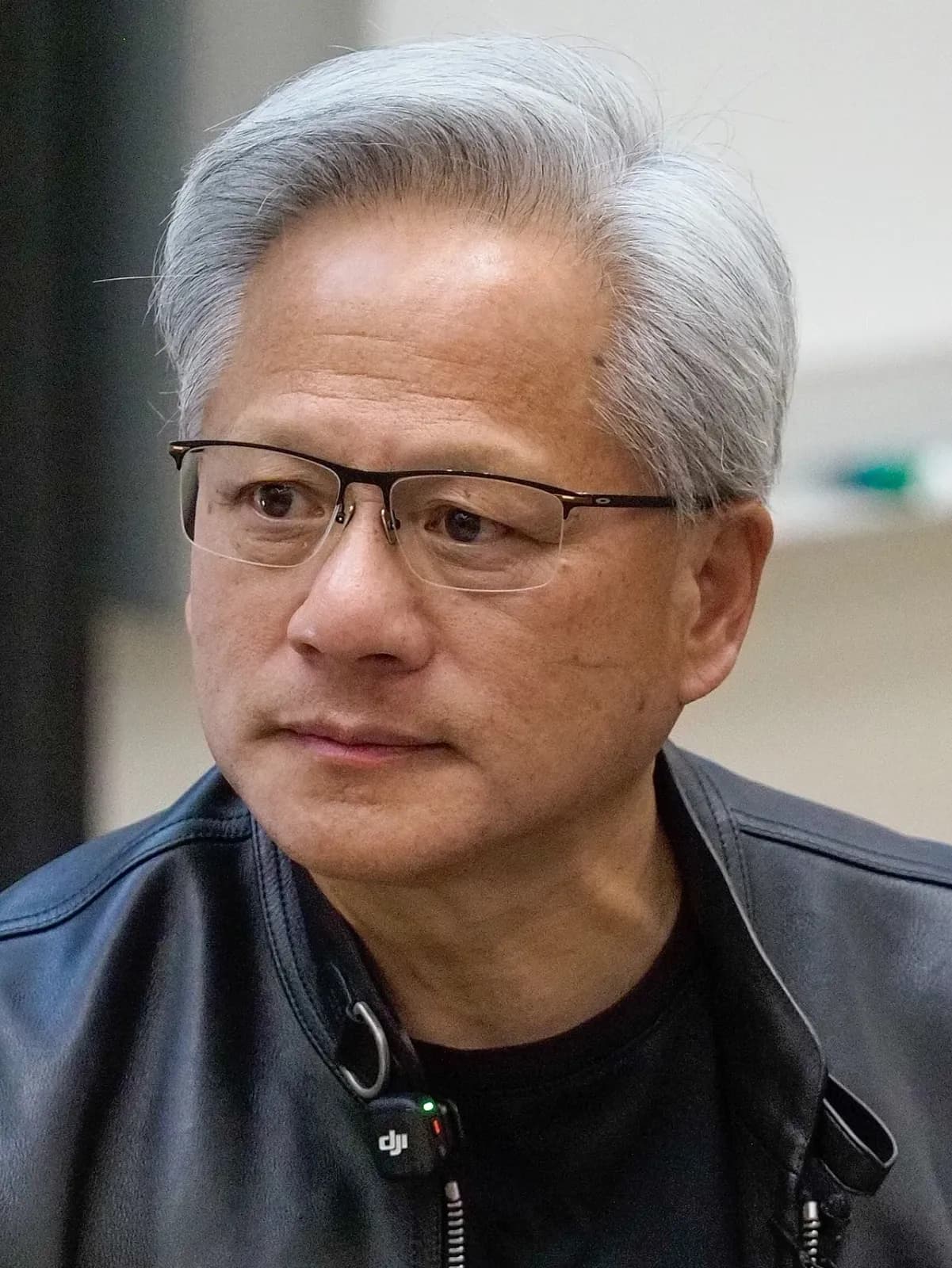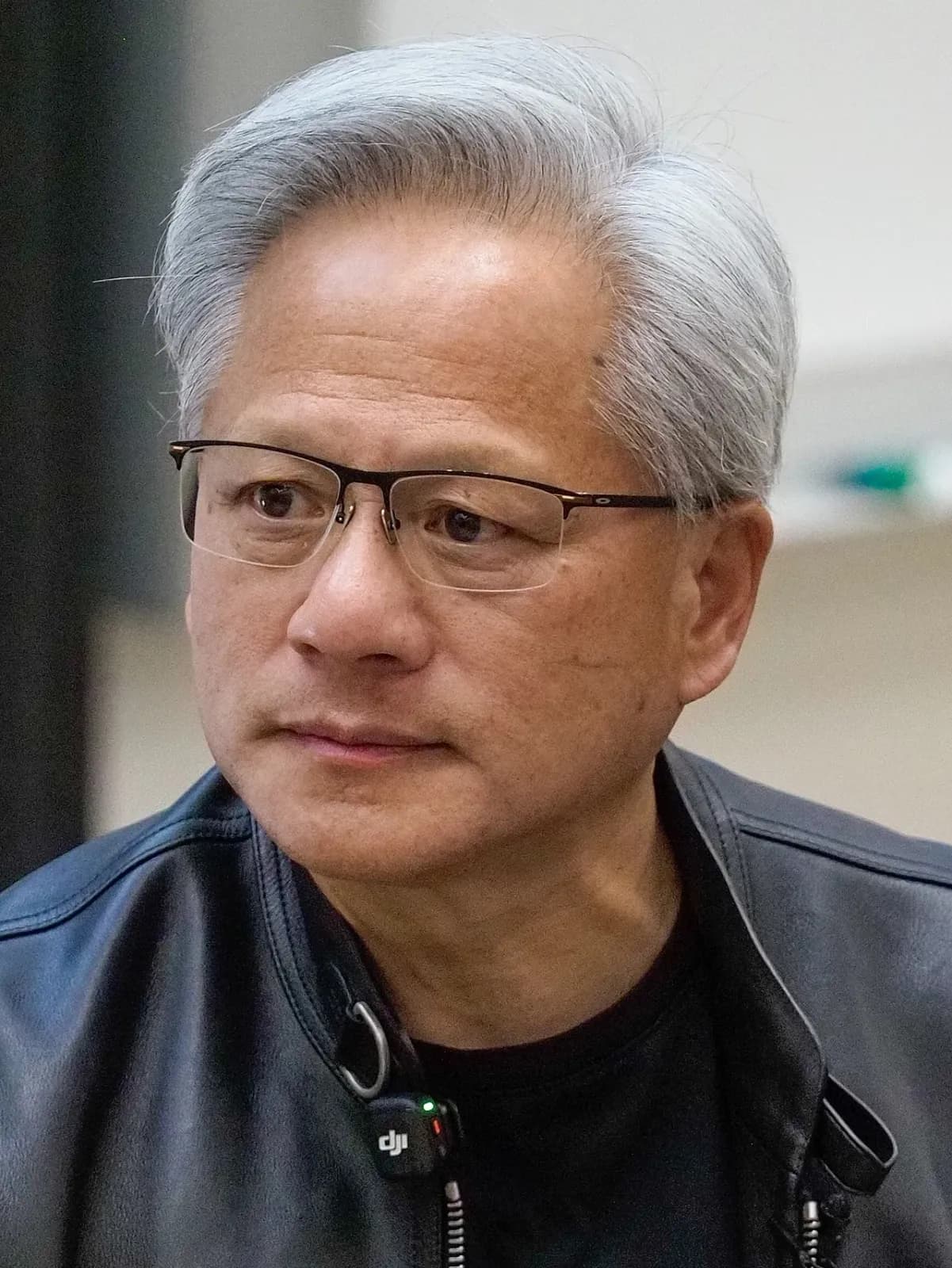
A massive compliance and political crisis has emerged for Nvidia following the sudden resignation of its chief executive, Jensen Huang. The leadership exit, combined with intense U.S. regulatory scrutiny and new findings regarding restricted semiconductor flows, has put $3 billion in Chinese AI projects at risk.
A comprehensive investigation by Reuters revealed a pipeline of over $3 billion in Chinese computing projects that rely directly on restricted Nvidia processors, such as the H100 and H200 series. These projects are embedded across a sprawling network including local government-backed ventures, regional cloud data centers, state-owned engineering groups, and universities. The Reuters review examined more than 150 Chinese procurement notices, investment plans, construction contracts, and corporate disclosures, identifying projects and equipment agreements with a combined reported value exceeding 23 billion yuan ($3.2 billion).
The investigation highlights a significant gap in compliance. While Nvidia’s official filings have long maintained that U.S. export controls and licensing restrictions have effectively frozen or excluded the company from China’s data-center market, local planning and procurement documents prove that hardware continues to reach Chinese end-users. Industry estimates, including IDC data, show Nvidia maintaining a notable presence via secondary or indirect routes.
The exposure of these projects coincides with unprecedented turbulence at the top of Nvidia. Jensen Huang stepped down as chief executive following intense scrutiny surrounding his personal relationships—specifically involving a businesswoman, Alice Huang, alleged by U.S. authorities to have intelligence ties to Beijing. While Nvidia’s board launched an independent investigation concluding that no company secrets or national security parameters were compromised, and no legal finding of export-control violations has been leveled against Huang directly, the political shockwaves are immense.
U.S. lawmakers, including Senate Banking Committee leadership, have summoned executives and officials for congressional testimony. Momentum is rapidly building for stricter compliance mechanisms, such as the AI Overwatch Act, security clearances for tech leadership, and rigorous end-user audits.
The Reuters review noted that the $3.2 billion estimate includes planned investments and signed contracts as well as completed installations. It covers buildings, power systems, and other infrastructure, and does not reflect spending on Nvidia chips alone.
The findings paint a detailed picture of how deeply Nvidia technology remains embedded in China's AI expansion, reaching well beyond the country's largest tech firms into regional computing centres and universities. Washington is expected to pivot from focusing purely on who purchases chips on the surface to tracking who actually deploys and utilizes the underlying compute power. This could trigger a tighter clampdown on secondary distribution hubs, such as nodes in Hong Kong and Southeast Asia.
Asian tech stocks and regional AI developers, including names like Alibaba and Tencent, have faced downward pressure as investors price in the likelihood of a harsher U.S. regulatory crackdown on semiconductor access. For Nvidia, losing its founder amid an escalating national security probe severely weakens its lobbying and negotiating leverage in Washington just as Congress prepares to tighten the screws on AI hardware exports.