
Key Takeaways
- Worker's death at Siberian research lab sparks global health worries.
- Kremlin maintains culture of secrecy, especially in health emergencies.
- Incident highlights ongoing challenges in Russia’s information management.
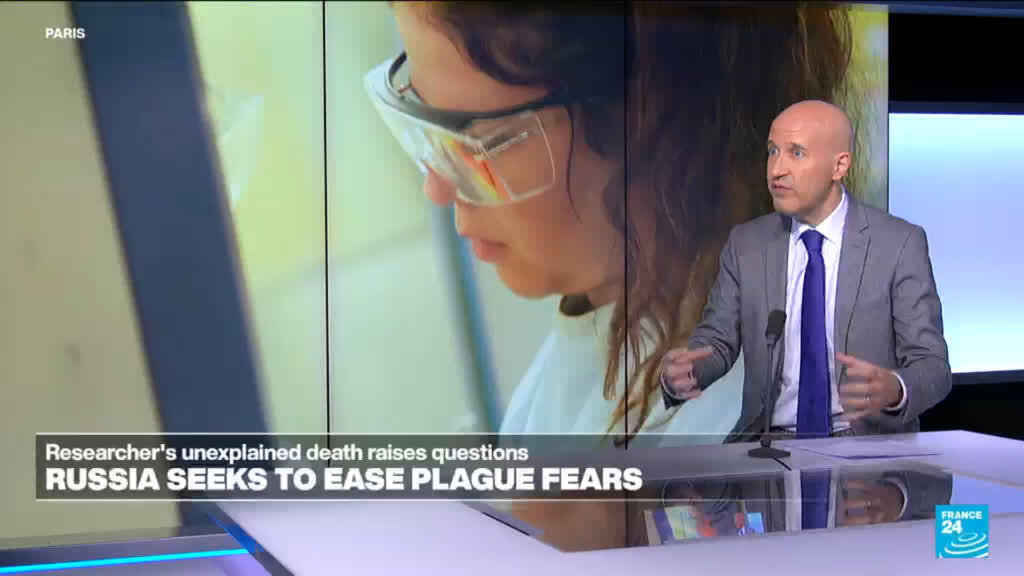
The death of a worker at a research lab in Siberia has raised global concerns over suspected pneumonic plague, highlighting Russia’s persistent culture of secrecy, according to FRANCE 24’s International Affairs Commentator Douglas Herbert.
The incident, which occurred last week, has fueled fears among public health officials and scientists, who are calling for transparency and immediate action.
Herbert notes that the Kremlin has a long-standing practice of withholding information in critical situations, from industrial accidents to health emergencies, which complicates efforts to manage public health crises effectively.
The worker, whose identity has not been disclosed, was reportedly found dead at the research facility, leading to suspicions of plague, a highly contagious bacterial infection.
Health experts warn that such secrecy can hinder the rapid response needed to contain outbreaks, potentially leading to wider spread of the disease.
The incident has drawn attention to the challenges faced by Russian authorities in managing public health information, especially in regions like Siberia, where resources and infrastructure may be limited.
Herbert emphasizes that the Kremlin’s approach to information management is deeply rooted in Soviet-era practices, making it difficult to change despite modernization efforts.
The case underscores the need for improved communication and transparency in Russia, particularly in regions where public health risks are high.
Experts are calling for increased international cooperation and support to help Russia address these issues and ensure better public health outcomes.


