Key Takeaways
- The Sindh government will provide free solar home systems to 275,000 low-income families.
- The initiative is part of a Rs. 18.206 billion project aimed at expanding renewable energy access.
- Installation and distribution are set to be completed by June 2027.
The Sindh government has announced a significant initiative to provide free solar home systems to 275,000 low-income families across the province. This move is part of an ambitious Rs. 18.206 billion project designed to enhance access to affordable and renewable energy.
During a review meeting chaired by Chief Minister Murad Ali Shah on Friday, it was directed that the Energy Department accelerate the distribution and installation process. The chief minister emphasized the importance of improving living standards for underprivileged families through this initiative.
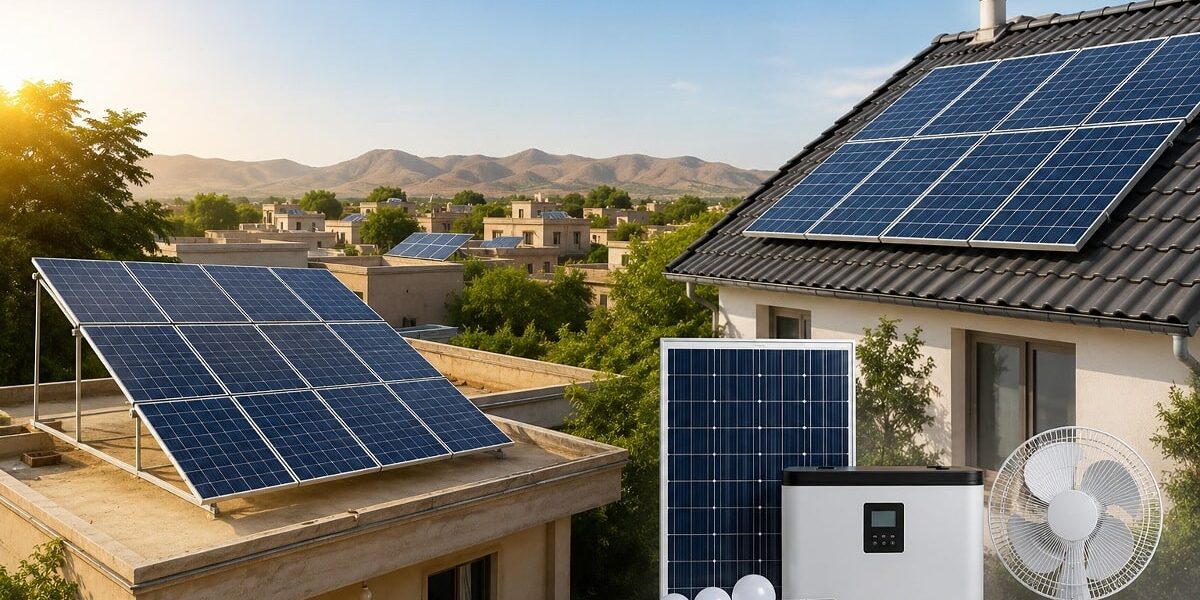
Under the scheme, 132,000 off-grid households in remote areas such as desert, mountainous, and riverine regions will receive solar systems, while another 143,000 on-grid protected consumers using up to 100 electricity units per month are also eligible. Each family will be provided with a 180-watt solar panel, a lithium battery, a fan, and LED lights free of cost.
Officials have reported that as of the latest update, 11,571 solar home systems have already been installed in several districts including Karachi, Ghotki, Umerkot, Dadu, Tharparkar, Thatta, and Shaheed Benazirabad. The project commenced in April 2025 with a target completion date of June 2027.
Families registered under the Benazir Income Support Program (BISP) will receive priority for these systems, ensuring that those most in need are supported first. The government has pledged to ensure transparent distribution and timely completion of the project, aiming to benefit as many families as possible within the given timeframe.
The initiative is expected to have a significant impact on the quality of life for thousands of low-income households in Sindh. By providing free solar home systems, the government hopes to reduce energy costs and improve access to electricity in remote areas.