Key Takeaways
- Prime Minister Shehbaz Sharif hailed nine agreements worth US$440 million in the pharmaceutical sector.
- The deals are seen as a significant step towards strengthening bilateral economic cooperation.
- The partnership is aimed at advancing the next phase of CPEC, known as CPEC 2.0.
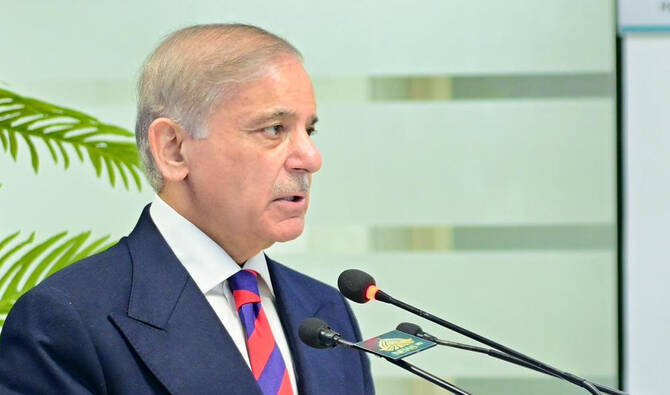
Prime Minister Shehbaz Sharif has expressed his satisfaction over the signing of nine agreements worth approximately US$440 million between Pakistani and Chinese private enterprises in the pharmaceutical sector. These deals were announced during a press conference held at the Prime Minister's Office on Friday, July 17.
Speaking to reporters, PM Sharif stated that these agreements mark a significant milestone in the ongoing collaboration between Pakistan and China under the framework of CPEC 2.0. He emphasized that this partnership is crucial for advancing the next phase of the China-Pakistan Economic Corridor (CPEC), which aims at enhancing economic cooperation beyond the initial projects.
The prime minister highlighted that these agreements will not only boost the pharmaceutical industry but also contribute to job creation and technological advancements in Pakistan. He noted that the deals are expected to enhance the country's pharmaceutical capabilities, making it more self-reliant and competitive in the global market.
According to sources present at the event, the nine agreements cover a wide range of areas within the pharmaceutical sector, including research and development, manufacturing, and distribution. The Chinese companies involved include leading players from China’s pharmaceutical industry, while their Pakistani counterparts are also prominent local firms.
The prime minister further stated that these partnerships will help in addressing the challenges faced by Pakistan's healthcare sector, particularly in terms of access to essential medicines and medical supplies. He expressed confidence that this collaboration would lead to improved public health outcomes and contribute to the overall economic growth of both countries.
In his remarks, PM Sharif also underscored the importance of maintaining a strong partnership with China as part of CPEC 2.0. He highlighted that these agreements are just the beginning and that more such collaborations will follow in the coming months and years. The prime minister called for continued efforts to ensure that all stakeholders benefit from this partnership, including investors, businesses, and the general public.
The signing of these agreements is seen as a significant step towards strengthening bilateral economic cooperation between Pakistan and China. It reflects the commitment of both nations to work together in various sectors beyond just infrastructure development, which was the primary focus during the initial phase of CPEC.