Key Takeaways
- Meteobase, a drone system developed by Meteomatics, offers an alternative to traditional weather balloons.
- The drones can gather data at different altitudes and return to recharge and download information.
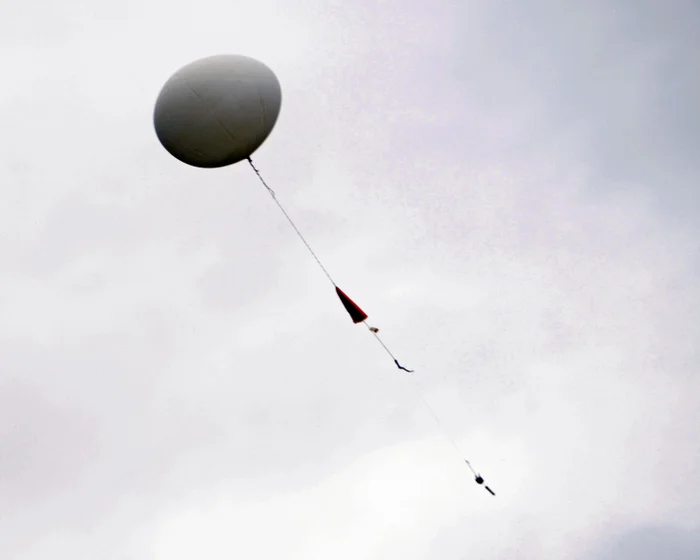
- This method is seen as more reliable than weather balloons which are affected by wind and use irreplaceable helium.
Meteomatics, a US-based company, has introduced Meteobase, a ground station equipped with drones that can autonomously gather atmospheric data. This innovative system represents a significant shift in how weather is studied.
Unlike traditional methods such as weather balloons, which are often at the mercy of unpredictable winds and rely on irreplaceable helium, drones offer greater control and reliability. They can be pre-programmed to fly at various altitudes, collect necessary information, and then return to their base station for recharging and data download.
The Meteobase system works by deploying drones that are capable of conducting multiple flights before needing a recharge. These drones carry instruments designed to measure temperature, humidity, wind speed, and other key meteorological parameters. Upon completion of their flight paths, the drones return to the base station where they can be recharged and data downloaded for analysis.
This approach is particularly useful in studying the boundary layer of the atmosphere, which extends from ground level up to a few thousand meters. Traditional weather stations are often too low to capture detailed information about this critical region, while aircraft are expensive and not always practical for frequent use.
The introduction of Meteobase represents a significant advancement in meteorological research. By providing a more reliable and cost-effective method of data collection, it could revolutionize how we understand weather patterns and climate changes.
While the traditional weather balloon remains an important tool, its limitations are now being addressed by this new technology. Drones can operate more consistently and provide real-time data, making them a valuable addition to the meteorological toolkit.