Key Takeaways
- Pakistan Telecommunication Authority (PTA) issued a public advisory on detecting deepfake content.
- Users advised to look for visual signs like inconsistent blinking and unnatural lip movements.
- Specialized tools such as Microsoft Video Authenticator can help verify the authenticity of digital media.
The Pakistan Telecommunication Authority (PTA) has issued a public advisory warning citizens about the growing threat of deepfake content, urging people to remain vigilant and verify digital media before trusting or sharing it. This comes amid concerns over misinformation and online fraud that have surged due to advances in artificial intelligence (AI).
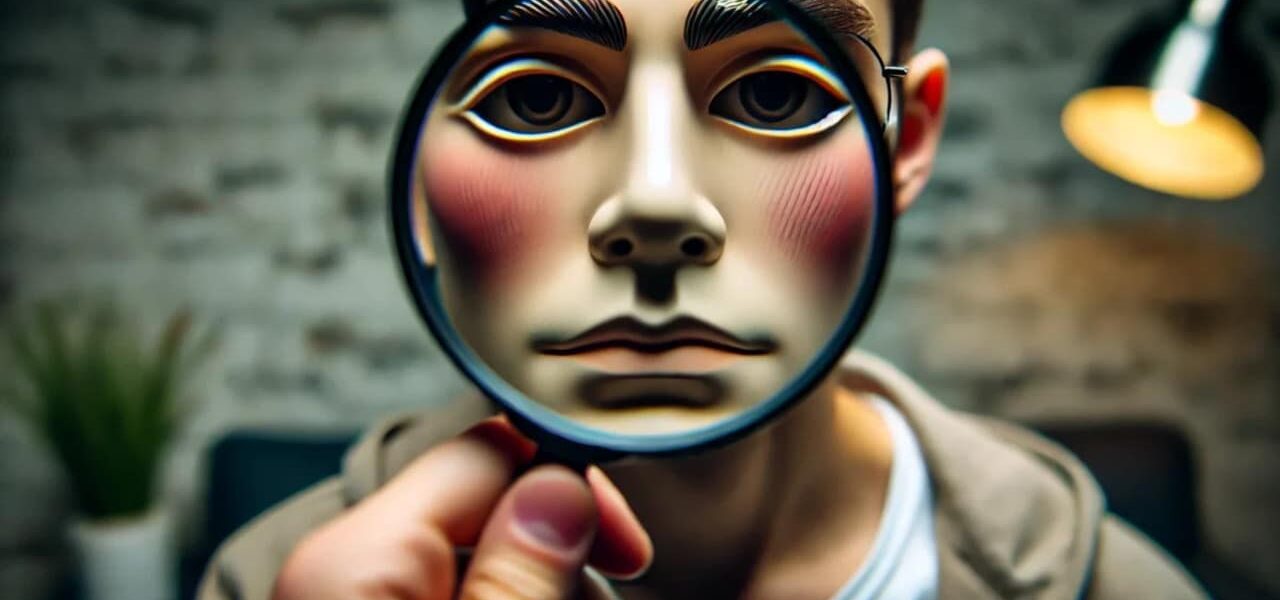
According to the advisory, users should watch for several visual signs that may indicate manipulated content. These include inconsistent blinking of the eyes, unnatural lip movements, awkward facial expressions, blurry edges around the face, and mismatched shadows, all of which can signal that a video or image has been altered using AI technology.
PTA also advised the public to verify the authenticity of suspicious videos through specialized verification tools such as Microsoft Video Authenticator and Deepware Scanner. These tools can help identify whether digital content has been manipulated before it is shared or relied upon, ensuring users are not deceived by fake information.
The regulator encouraged citizens to obtain accurate information only from its official communication channels. It said people can also use the PTA Digital Assistant on WhatsApp at 0315-0055055 for guidance and access additional information through the authority’s official platforms. The advisory emphasized that greater public awareness and responsible online behavior are essential to reducing the spread of AI-generated fake content.
Reiterating its digital safety message, PTA urged the public to follow the principle of ‘Think – Verify – Trust’ before believing or forwarding online content. This approach aims to protect users from deception by ensuring they critically assess information before acting on it.
The advisory comes at a time when deepfake technology has become increasingly sophisticated, making it harder for the average person to distinguish between real and fake content. By providing clear guidelines and tools, PTA is helping citizens navigate this complex landscape more effectively.