Key Takeaways
- Exchange companies sold up to $6 billion to banks during FY26.
- Pakistan received a record $41.6 billion in remittances in 2025-26.
- State Bank has closed down five exchange companies for violations.
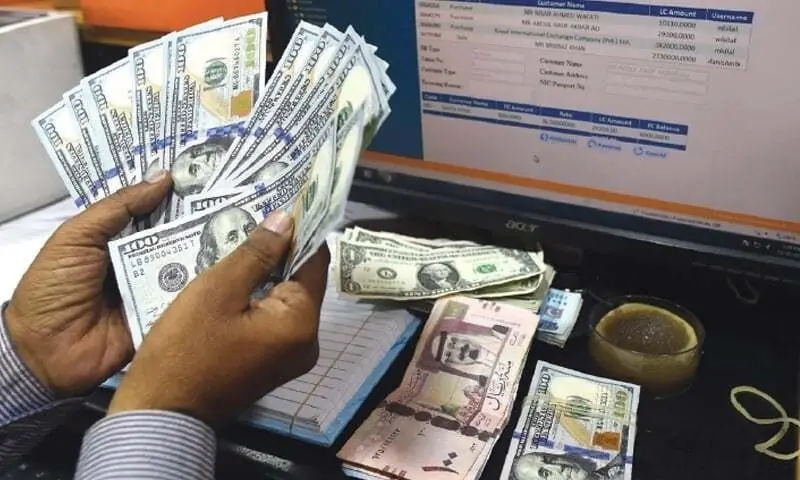
Exchange companies in Pakistan sold up to $6 billion to banks during the fiscal year 2025-26, according to a statement by Zafar Paracha, General Secretary of the Exchange Companies Association of Pakistan. This figure highlights the significant role remittances play in bolstering the country's foreign exchange reserves.
The State Bank has taken action against some companies, closing down at least five for violations of its rules and regulations. Additionally, one company recently surrendered its license to operate, citing over-regulation as a major challenge. A currency dealer noted that while the exchange companies have been selling approximately $500 million per month on average, the stringent regulatory environment has made it difficult to remain profitable.
The State Bank has encouraged banks to establish their own exchange companies for remittances and domestic trading. Currently, 14 banks have opened such companies. However, despite efforts to increase reliance on remittances, experts point out that the country's dependence on these inflows is increasing annually, with remittances surpassing export earnings.
The government has initiated measures aimed at enhancing remittances through labor exports abroad. Prime Minister Muhammad Shehbaz Sharif recently instructed foreign missions to find employment opportunities for Pakistanis in their respective countries. However, business circles express concern over the lack of concrete actions towards achieving these ambitious targets. Experts argue that without substantial domestic and foreign investments in manufacturing, export potential remains unfulfilled.
While the government aims for exports worth $60 billion and even $100 billion, current trends indicate a gap between rhetoric and reality. An exporter stated, 'The situation is different; neither domestic nor foreign investments improved in FY26.' This sentiment underscores the need for practical steps to translate export targets into tangible outcomes.
In conclusion, while remittances continue to be a crucial source of foreign exchange, challenges such as regulatory constraints and lack of investment in manufacturing sectors pose significant hurdles. The government's efforts to address these issues will be critical in achieving its economic goals.
The exchange companies are over-regulated by the State Bank, which made it difficult to carry on business and remain in profit.
A currency dealer, Not specified