Key Takeaways
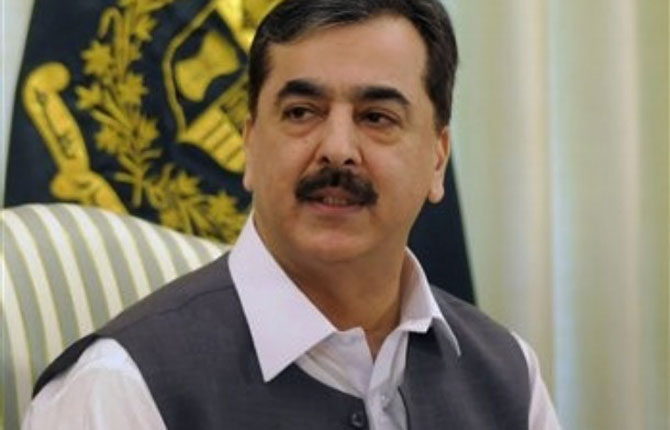
- Senate Chairman Syed Yousaf Raza Gilani met with boxer Amir Khan in Islamabad.
- The meeting focused on youth engagement, sports promotion, and Pakistan’s international image.
- No specific outcomes were announced from the discussion.
Chairman Senate Syed Yousaf Raza Gilani held a meeting with internationally acclaimed British-Pakistani boxer Amir Khan at his official residence in Islamabad on Sunday. The interaction, which was part of ongoing efforts to engage prominent figures for national development, saw the two discussing key areas including youth engagement and sports promotion.
During their conversation, Gilani highlighted the importance of constructive activities among young people as a means to foster positive social change within Pakistan. Amir Khan, known for his achievements in the boxing ring, shared insights on how sports can serve as a platform for promoting national pride and unity at an international level.
The meeting also touched upon the role of overseas Pakistanis in supporting their homeland’s image abroad. Both parties agreed that leveraging the influence of successful expatriates could help enhance Pakistan's global reputation through various initiatives, including cultural and sporting events.
While no specific outcomes were announced from the discussion, it was evident that both Gilani and Khan emphasized the potential for collaboration between government officials and sports personalities to address broader societal issues. The boxer’s visit underscored his commitment to using his platform for social good, aligning with Gilani's vision of promoting constructive activities among youth.
The meeting took place at a critical time when Pakistan is striving to improve its international image following recent events. Both parties expressed optimism about the prospects of working together to achieve shared goals, particularly in areas such as sports and youth development.
Amir Khan’s visit also serves as a reminder of the growing importance of engaging with influential figures from both domestic and international spheres. Such interactions can provide valuable insights and opportunities for policy makers to better understand the perspectives of successful individuals operating outside traditional governmental structures.