Key Takeaways
- Fuel shortages plague Russian regions, with Vologda among those affected.
- Queues at petrol stations have become a daily occurrence for many Russians.
- Kremlin downplays the crisis but citizens express frustration.
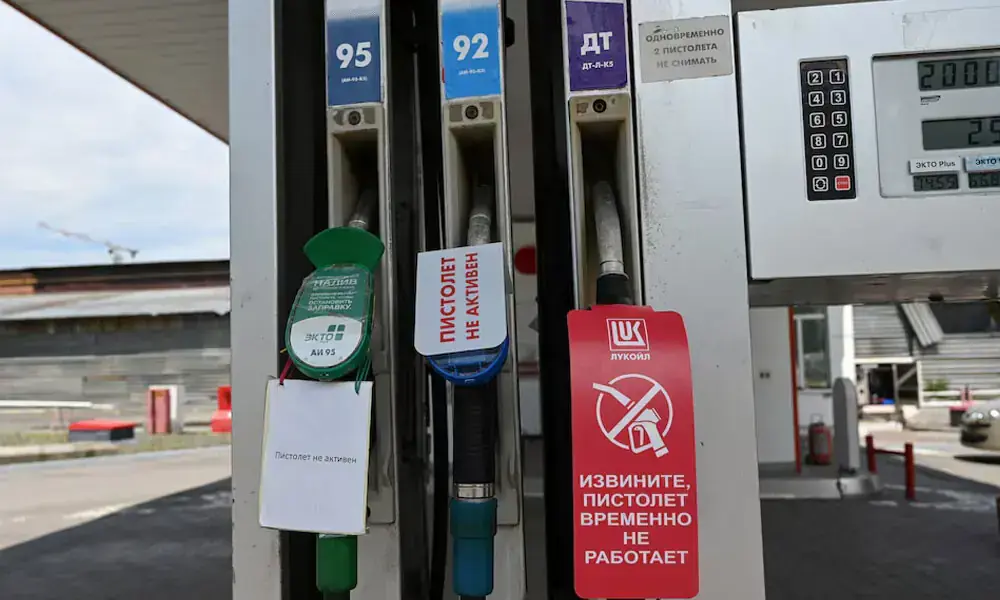
Russian drivers are facing unprecedented fuel shortages as strikes by Ukrainian forces disrupt supply chains, according to reports from Vologda. The city, located some 300 miles north of Moscow, is just one of over 90 percent of Russian regions experiencing rationing or shortages since June.
Yelena and Dmitry, a couple returning from their country allotment plot, found themselves waiting in line at four petrol stations before finally securing fuel. 'What a horrible situation,' Yelena lamented as they waited to see if there was any petrol left. The couple's experience is not unique; queues have become a staple of life during the ongoing conflict.
The crisis has caused significant disruption, with cars being the primary mode of transport in Russia’s vast territory. Petrol stations in Vologda are either closed or seeing long lines, particularly those owned by major Russian oil companies. The situation is so severe that some regions have had to implement fuel rationing measures.
While the Kremlin has downplayed the crisis, stating it is not critical and warning of attempts to cause panic, drivers across Russia are expressing their frustration. President Vladimir Putin has warned that Ukraine is trying to divide Russians and create chaos, but these sentiments do little to alleviate the daily struggles faced by ordinary citizens.
The fuel shortage crisis highlights the broader impact of the conflict on everyday life in Russia. With fuel previously being readily available and far cheaper than in Europe, the current situation represents a significant change for many Russians. The disruption extends beyond just the availability of petrol; it affects public transport and logistics across the country.
In response to the shortages, some regions have implemented measures such as rationing or even closing down certain petrol stations. This has led to long queues and frustration among drivers who are used to having easy access to fuel. The situation is particularly challenging in remote areas where distances are vast and public transport options limited.
The crisis also underscores the economic and logistical challenges Russia faces due to the conflict with Ukraine. While the Kremlin maintains a firm stance, the reality on the ground suggests that the impact of the strikes has been more severe than initially reported. The fuel shortages have become a symbol of the broader struggle faced by Russians in the ongoing conflict.
As the situation continues to unfold, it remains to be seen how long these shortages will last and what further measures might be implemented. For now, Russian drivers are left waiting in queues, hoping for a chance to fill their tanks.