Key Takeaways
- Security forces responded to unprovoked firing by the Afghan Taliban at Kurram border posts.
- The retaliation forced the Taliban to abandon multiple posts and flee.
- Operation Ghazab lil-Haq has resulted in significant casualties among terrorists.
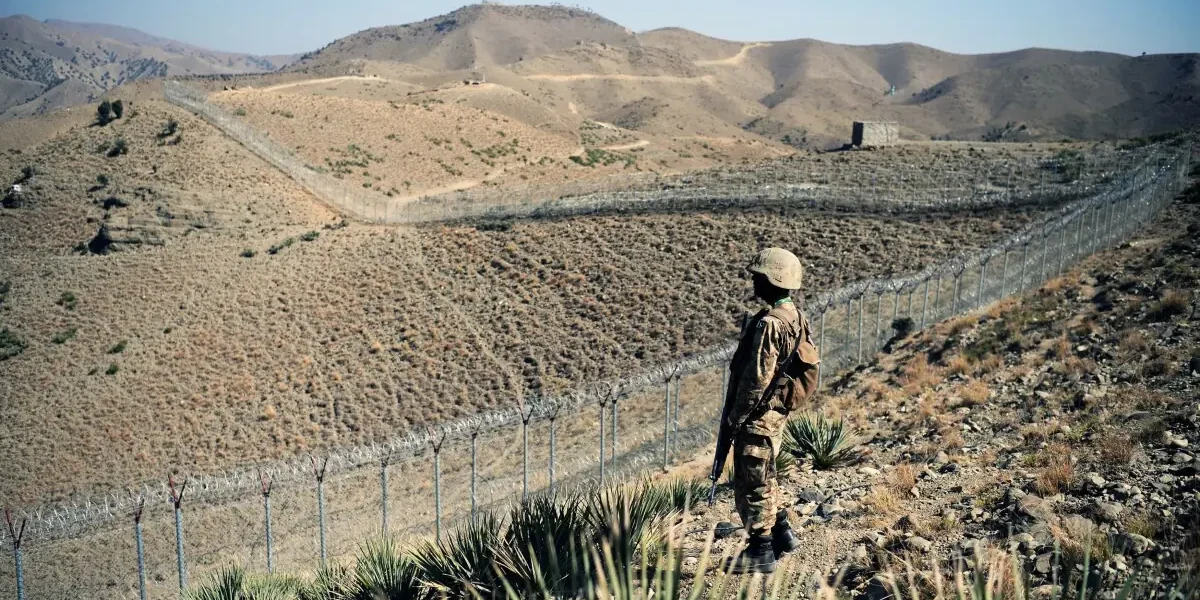
Pakistani security forces have launched a full-scale retaliatory response against unprovoked attacks by the Afghan Taliban on border posts in Kurram, according to security sources. The Taliban used heavy weapons and mortars to target Pakistani positions, prompting an immediate and forceful counterattack.
The security forces responded with both light and heavy weaponry, including artillery, effectively neutralizing the threat and forcing the Taliban to abandon several of their defensive checkpoints. This action was part of a broader operation aimed at countering cross-border aggression from terrorist groups.
In recent months, similar incidents have occurred multiple times along the Pak-Afghan border. On February 26, following unprovoked firing by the Afghan Taliban, Pakistan launched Operation Ghazab lil-Haq against terrorist hideouts. By April 3, security forces had foiled an attempt to attack a border post in KP’s Ghulam Khan Sector, resulting in the deaths of 37 attackers and injuries to over 80.
Information Minister Attaullah Tarar provided an update on these operations, stating that since Operation Ghazab lil-Haq was launched, 796 terrorists and Afghan Taliban operatives had been killed, while over 1,043 had been injured. Additionally, in a separate incident on April 28, mortar shells fired from the border injured five civilians—four children and one woman—in Angoor Adda village of South Waziristan.
Despite repeated appeals by Islamabad to dismantle terrorist sanctuaries on Afghan soil, officials report that these requests have not been heeded. The security sources emphasized that the situation is being continuously monitored, with security forces remaining fully prepared for any further acts of provocation from the enemy.
The ongoing tension between Pakistan and the Taliban administration in Kabul highlights the persistent threat posed by cross-border terrorism. Security experts suggest that such retaliatory actions are necessary to maintain control over border areas and prevent further attacks within Pakistan.