Key Takeaways
- Pakistan Paediatric Association (PPA) requests Drug Regulatory Authority of Pakistan (Drap) to exempt 10cc syringes.
- Ban on conventional 1cc and 10cc disposable syringes starts in December 2026 and January 2027 respectively.
- PPA argues that 10cc syringes are critical for neonatal and paediatric care, urging evidence-based regulation.
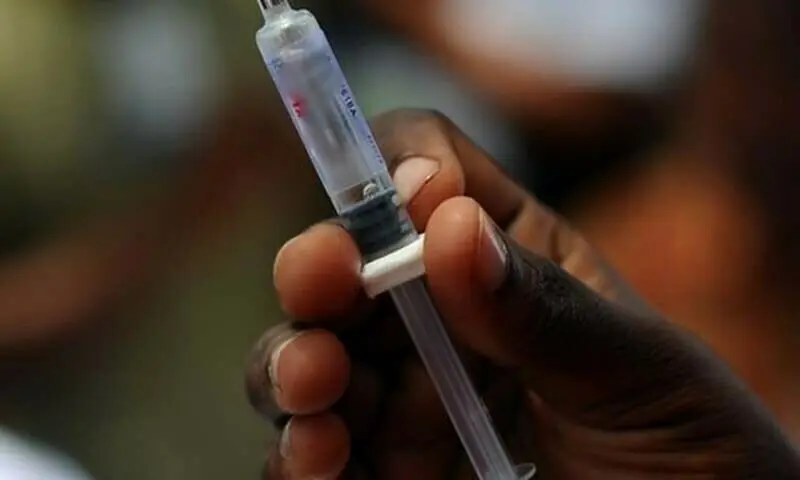
The Pakistan Paediatric Association (PPA) has written to the Drug Regulatory Authority of Pakistan (Drap), requesting an exemption or targeted exclusion for 10cc conventional syringes. This move comes in response to a surge in HIV cases linked to unsafe medical practices, particularly the alleged reuse of contaminated syringes.
According to Dr Muhammad Khalid Shafi, CEO of PPA and chairperson of the National Immunisation Technical Advisory Group, the ban on 1cc (non-insulin) disposable syringes will take effect from December 31, 2026, while a complete ban on retail sale of conventional 10cc disposal syringes is set for January 1, 2027.
Shafi highlighted the critical role that 10cc syringes play in neonatal and paediatric care. He stated, 'The 10cc syringe is an irreplaceable clinical instrument required for accurate reconstitution, dilution, and precise volumetric administration of essential intravenous medications.'
In neonatal intensive care units and paediatric wards, Shafi explained that 10cc syringes are standard tools used for enteral feeding via nasogastric and orogastric tubes in premature and critically ill infants. He also noted their use in delivering oral liquid formulations and rehydration solutions to infants who cannot swallow standard dosage forms.
Shafi argued that a blanket prohibition on 10cc syringes creates an immediate clinical bottleneck, jeopardising daily life-saving interventions. He urged the Drap to carefully reconsider the scope of this prohibition based on evidence-based guidelines. 'Regulatory actions must be driven by data and designed with clear, measurable clinical outcomes in mind,' he stated.
The PPA is calling for a dedicated advisory panel comprising clinical experts, paediatric infectious disease specialists, and representatives from the association to review infection control strategies and establish evidence-based guidelines that target true drivers of syringe reuse. On behalf of the PPA, Shafi urged Drap to grant an immediate exemption or targeted exclusion for 10cc conventional syringes to safeguard neonatal and paediatric clinical operations while safer, standardised alternatives are fully evaluated and integrated.
The letter concludes by emphasizing the urgent need for a balanced approach that prioritises patient outcomes without compromising public health measures. 'Convene a dedicated advisory panel comprising clinical experts, paediatric infectious disease specialists, and PPA representatives to review infection control strategies and establish evidence-based guidelines,' Shafi wrote.
'The 10cc syringe is an irreplaceable clinical instrument required for the accurate reconstitution, dilution, and precise volumetric administration of essential intravenous paediatric medications.'
Dr Muhammad Khalid Shafi, CEO of PPA and chairperson of the National Immunisation Technical Advisory Group
'Regulatory actions must be driven by data and designed with clear, measurable clinical outcomes in mind,' he stated.
Dr Muhammad Khalid Shafi, CEO of PPA and chairperson of the National Immunisation Technical Advisory Group