Key Takeaways
- The National Disaster Management Authority has issued an extreme weather alert from July 19 to 23.
- Heavy rain and thunderstorms are expected in several regions, including Azad Jammu and Kashmir, Gilgit-Baltistan, Khyber Pakhtunkhwa, and Punjab.
- Communities near riverbanks and low-lying areas face increased risk of flooding.
The National Disaster Management Authority (NDMA) has issued an extreme weather alert for northern Pakistan from July 19 to 23. The alert covers regions such as Azad Jammu and Kashmir, Gilgit-Baltistan, Khyber Pakhtunkhwa, and parts of Punjab.
According to NDMA, monsoon currents from the Arabian Sea are strengthening over upper and central Pakistan, while a western disturbance is expected to approach northern regions. This combination is likely to result in heavy rainfall and thunderstorms across these areas.
Specifically, heavy rain may hit several districts in Azad Jammu and Kashmir, including Muzaffarabad, Neelum Valley, Rawalakot, Poonch, Bagh, Kotli, Bhimber, and Mirpur. Khyber Pakhtunkhwa is also expected to receive intense rainfall, affecting areas such as Peshawar, Swat, Chitral, Dir, Kohistan, Abbottabad, Mansehra, Mardan, Nowshera, and several tribal districts.
Meanwhile, moderate to heavy rain is anticipated in Gilgit, Skardu, Hunza, Astore, Diamer, Ghizer, Ghanche, and Shigar. NDMA has warned that these areas are at risk of flooding, particularly low-lying neighbourhoods, underpasses, and roads with weak drainage systems.
Urban flooding risks have been highlighted for Islamabad, Rawalpindi, Lahore, and Peshawar. Gujranwala, Sialkot, Multan, and Faisalabad may also face water accumulation and drainage problems between July 20 and 23. The NDMA has advised people to stay away from rivers, nullahs, and flooded roads during heavy rain.
The weather system is likely to increase water flows in the Chenab, Jhelum, and Kabul rivers. Communities living near riverbanks are urged to remain alert for potential flash flooding. Local streams and nullahs in Kashmir, Islamabad, Khyber Pakhtunkhwa, Gilgit-Baltistan, northeastern Punjab, and parts of Balochistan may also be affected.
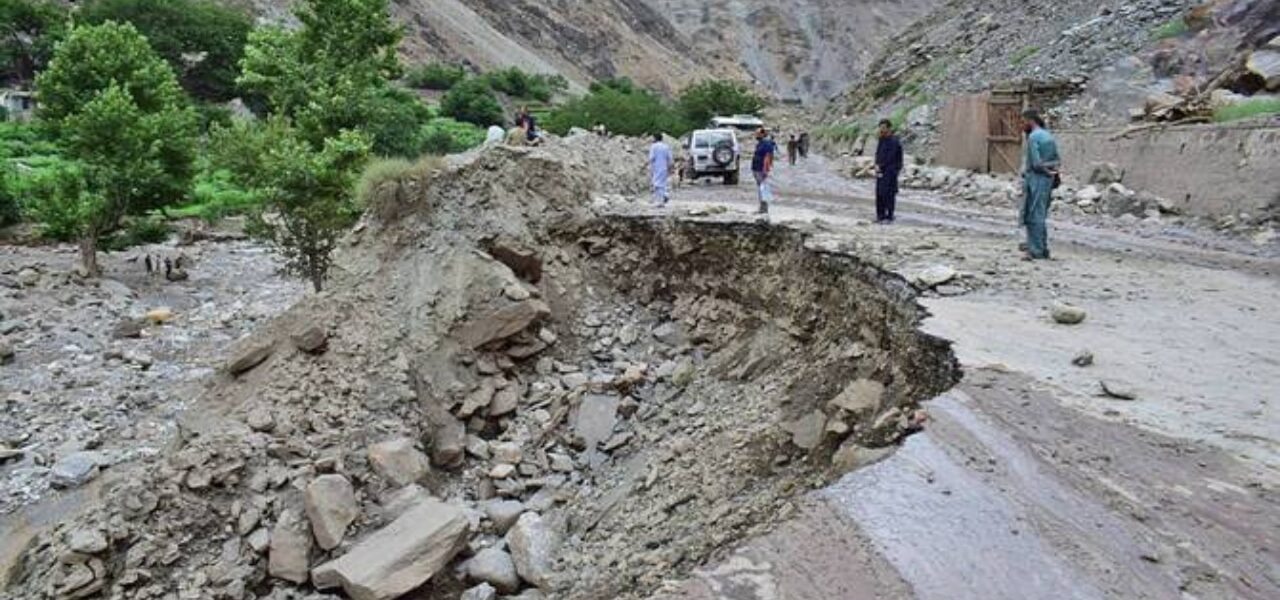
Persistent rain is expected to trigger landslides in vulnerable mountainous areas, particularly in Upper Khyber Pakhtunkhwa, Gilgit-Baltistan, Kashmir, Murree, and Galiyat. These regions face the greatest risk of road blockages due to landslides, falling rocks, and debris.
The NDMA has advised tourists to check weather and traffic conditions before travelling to mountainous or recreational areas. Visitors should avoid trekking, hiking, and camping during heavy rain and stay away from rivers, nullahs, and flooded roads. They are also urged to maintain a safe distance from waterways and avoid crossing submerged bridges or roads.
The authority has advised people to choose accommodation on higher ground and follow instructions issued by local administrations and rescue agencies.