Key Takeaways
- The U.S. Consulate General in Peshawar has officially closed.
- Responsibility for diplomatic engagement with Khyber Pakhtunkhwa is now handled by the Khyber Pakhtunkhwa Unit at the U.S. Embassy in Islamabad.
- This decision was made to ensure the safety of U.S. diplomats and efficient resource management.
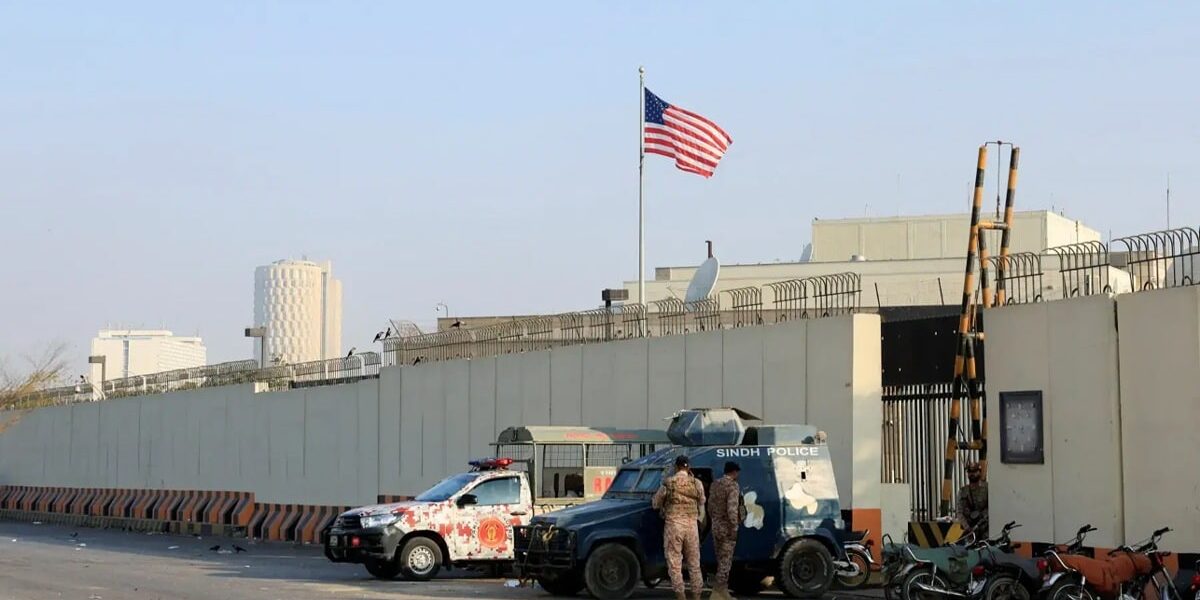
The United States has officially closed its Consulate General in Peshawar, a major city in Khyber Pakhtunkhwa province, Pakistan. The move follows an announcement by the U.S. State Department in May, which cited safety concerns for diplomatic personnel as the primary reason.
In a public statement, the U.S. mission advised people to follow updates from the official website and social media accounts of the U.S. Embassy in Islamabad for future information regarding diplomatic engagement with Khyber Pakhtunkhwa. The Consulate General’s Peshawar page is no longer active on its official Twitter account.
The decision was part of a broader strategy to consolidate U.S. diplomatic operations and ensure the safety of its personnel. At the time, the State Department emphasized that this move reflected its commitment to efficient resource management and the well-being of its staff.
According to the U.S. Embassy in Islamabad, the Khyber Pakhtunkhwa Unit (KPU) will continue handling all diplomatic engagement with Khyber Pakhtunkhwa from its base in the capital city. This unit is responsible for maintaining close ties and providing support to U.S. interests in the region.
The closure of the Consulate General in Peshawar does not affect ongoing bilateral relations between Pakistan and the United States, which continue to be managed through the U.S. Embassy in Islamabad. The move is seen as a strategic adjustment rather than a significant shift in diplomatic priorities.
In a tweet, the U.S. Consulate General in Peshawar stated: 'The U.S. Consulate General Peshawar page is no longer active. We invite you to follow updates from our official website and social media accounts for future information regarding U.S. diplomatic engagement with Khyber Pakhtunkhwa.'
This decision has been welcomed by local officials, who see it as a practical measure that will streamline operations while ensuring continued support for the province's needs.