Key Takeaways
- Republicans in the US are threatening to sanction Canada over smoke from wildfires.
- Donald Trump plans to call Canadian Prime Minister Mark Carney regarding the issue.
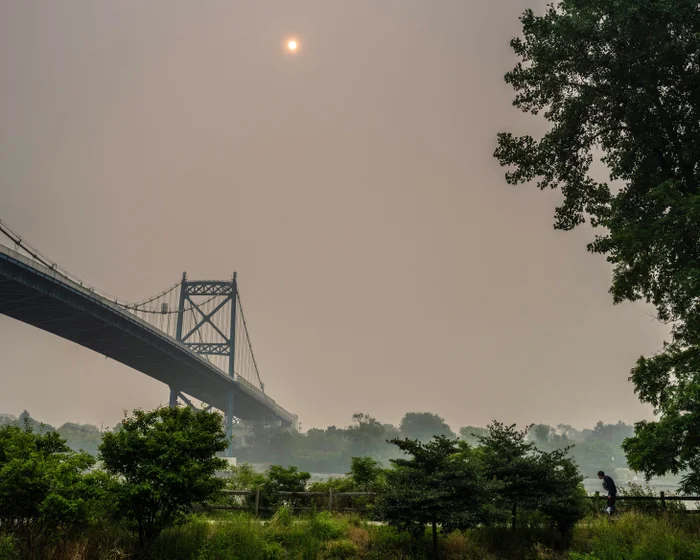
- The smoke has created hazy conditions and dangerous air quality for millions of Americans.
US Republicans have issued a stark warning to their northern neighbor, threatening sanctions over the drifting wildfire smoke that has blanketed large parts of the United States. The move comes as fires continue to rage across both countries, creating hazardous conditions and prompting calls for action from affected communities.
In a statement released on Friday, US officials blamed Canada for the spread of smoke, which has caused widespread hazy skies and air quality issues affecting tens of millions of Americans. The situation has raised tensions between the two nations, with some lawmakers calling for stronger measures to address the environmental crisis.
According to reports, President Donald Trump intends to take a direct approach by contacting Canadian Prime Minister Mark Carney to discuss Canada's response to the wildfires and its impact on US citizens. This move is seen as an attempt to pressure Ottawa into taking more decisive action to mitigate the smoke issue.
The situation has not only caused health concerns but also economic disruptions, with businesses in affected areas reporting significant losses due to reduced visibility and travel restrictions. Local authorities have issued warnings about the potential dangers of prolonged exposure to poor air quality, urging residents to take precautions such as wearing masks and limiting outdoor activities.
Environmental experts point out that while wildfires are a natural occurrence, their frequency and intensity have been exacerbated by climate change. The US has seen an increase in large-scale fires across multiple states, leading to widespread smoke drifting into Canada and the northern United States.
The threat of sanctions is not new; similar measures were discussed during previous instances of cross-border environmental issues. However, this time, the severity of the situation and the direct impact on American citizens have prompted a more assertive response from US officials.
Canadian officials have yet to comment publicly on the matter, but sources suggest that Ottawa is closely monitoring the situation and working with affected provinces to address the smoke issue. The Canadian government has already taken steps to inform its citizens about the air quality and provide health advisories.
The tension between the two countries highlights the complex nature of environmental issues in North America, where natural disasters can have far-reaching consequences beyond national borders. As the situation continues to unfold, both governments will need to find a collaborative approach to address the ongoing challenges posed by these wildfires.