Key Takeaways
- The gray whale population in the Pacific has declined by nearly half due to climate change.
- Environmental groups warn of a 'catastrophic mortality event' as melting sea ice depletes food sources.
- Other factors like ship strikes and microplastic pollution are also contributing to the die-off.
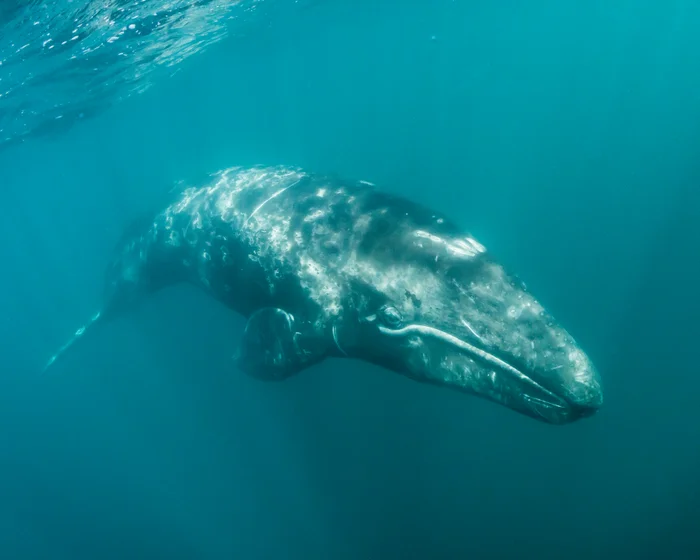
The gray whale population in the Pacific Ocean is facing a ‘catastrophic’ decline, with environmental groups warning that the species is now in 'very, very serious trouble'.
According to reports, the gray whale population has fallen from an estimated 20,000 in 2019 to fewer than 13,000 this year, a significant drop of nearly half.
The primary cause cited is climate change, which is driving a 'catastrophic mortality event' as melting sea ice depletes the whales’ food sources. The Guardian reports that these animals are starving due to the changing conditions in their habitat.
In addition to the impact of climate change, other factors such as ship strikes, oil spills, microplastic pollution, algal blooms, and Russian harvesting are also contributing to the die-off. These issues have been identified by environmental groups as exacerbating the already dire situation for gray whales.
Environmental organizations are urging the Trump administration to relist the species under the Endangered Species Act, a move that would provide additional protections and resources to help save the whales from further decline.
The urgency of the situation is highlighted by the fact that the deaths appear to be accelerating. This has raised concerns among scientists and conservationists who fear that without immediate action, the gray whale population could face an even more severe crisis in the coming years.
The Guardian notes that this event is not isolated; it is part of a broader trend of marine life facing challenges due to climate change. The decline of gray whales serves as a stark reminder of the far-reaching impacts of global warming on ocean ecosystems and the species that inhabit them.