Key Takeaways
- Scientists at the Potato Research Institute in Sahiwal have developed four new potato lines with high dry matter content.
- The newly developed varieties, L 5-2, FD 74-30, FD 35-36, and FD 74-50, exceed 22 percent dry matter content.
- These varieties are suitable for producing crispier French fries and potato chips.
Scientists at the Potato Research Institute (PRI) in Sahiwal have developed four new potato lines with high dry matter content, making them particularly suitable for producing French fries and potato chips. The newly developed lines include L 5-2, FD 74-30, FD 35-36, and FD 74-50.
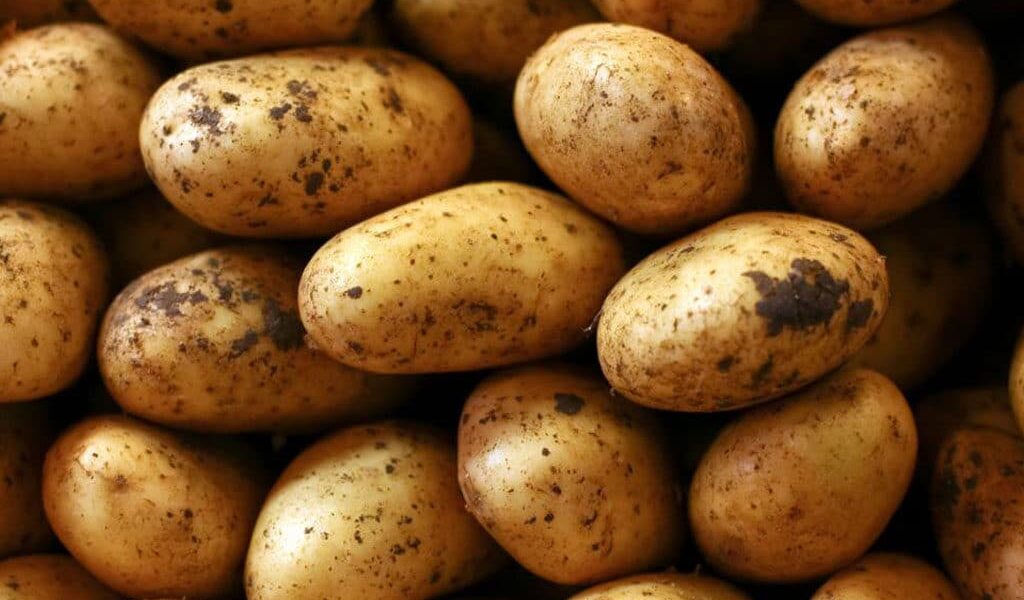
According to PRI Director Dr Rana Aftab Iqbal, these varieties have a dry matter content exceeding 22 percent. High dry matter content is crucial for potato processing as it ensures that the potatoes absorb less oil during frying and produce crispier fries and chips.
Currently, Pakistan’s potato processing industry relies significantly on imported high-dry-matter-content (DMC) varieties, particularly Dutch-origin ones such as Lady Rosetta, Hermes, Alverstone, Venus, Sante, and Asterix. Developing comparable varieties locally could provide processors with potatoes better adapted to the country's climate while reducing dependence on imported planting material.
The institute has previously developed 12 table potato varieties, three of which—Punjab, Sadaf, and Ruby—have dry matter content ranging between 20 and 22 percent. The four newly developed lines exceed this level, offering even higher quality for processing purposes.
Researchers at the PRI note that locally developed high-DMC potatoes could also offer better adaptation to conditions such as frost, drought, and heat stress. Dry matter levels can be influenced by farming practices, fertiliser management, and harvesting time.
Pakistan produces around 10 million tonnes of potatoes annually and ranks among the world’s leading potato-producing countries. However, much of its domestic production consists of lower-DMC table varieties unsuitable for high-quality fries and chips. This development could help Pakistan fully exploit the growing processed-potato market.