Key Takeaways
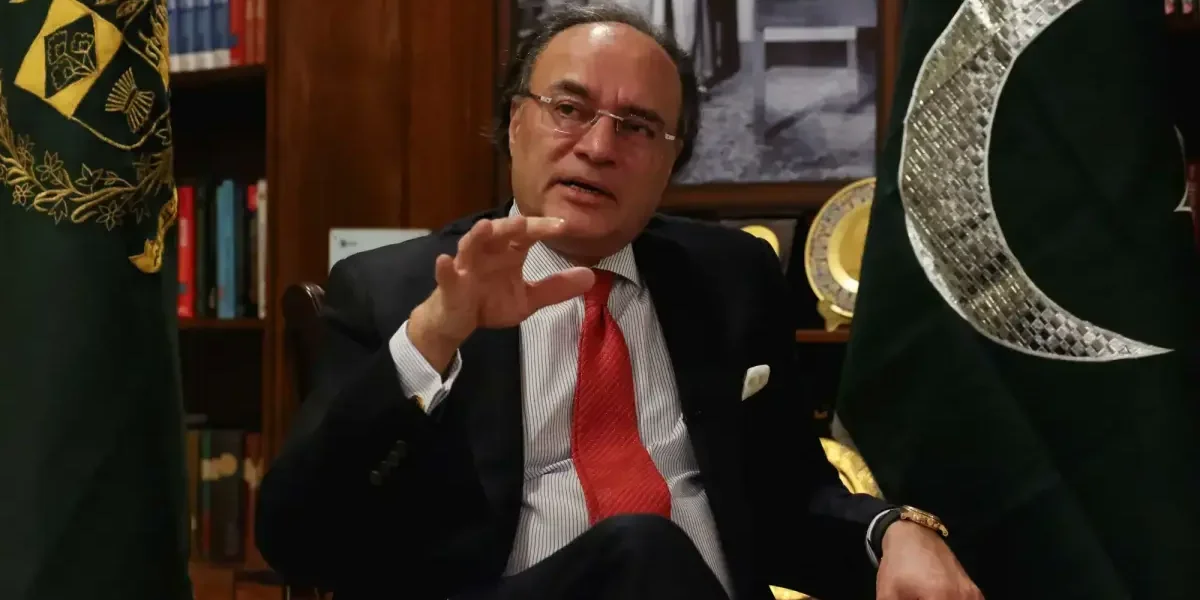
- Pakistan’s Finance Minister Muhammad Aurangzeb has requested a $10 billion Exchange Stabilisation Support Facility from the US.
- The request was confirmed by officials at Pakistan’s embassy in Washington, but no details were provided.
- Diplomatic sources suggest there is a strong chance that the request will be approved.
Finance Minister Muhammad Aurangzeb has formally requested a $10 billion Exchange Stabilisation Support Facility from the United States to bolster Pakistan’s national economy, according to reports by Reuters and Dawn Business. The request was confirmed by officials at Pakistan’s embassy in Washington, but no further details were disclosed.
The US Treasury Secretary Scott Bessent received this appeal during a meeting on Tuesday, as reported by the official readout issued by the embassy. Aurangzeb’s request is aimed at improving access to international capital markets and enhancing sovereign credit ratings for Pakistan, which would ultimately lead to higher foreign exchange reserves and ease debt pressures.
The proposed facility, if approved, would be a financial mechanism under which the US government, through its Exchange Stabilisation Fund, would provide loans or other backstop facilities to Pakistan. This support is intended to bolster the country’s foreign exchange reserves, stabilise the economy, and prevent currency instability. Such measures are typically employed by the US to support partner countries facing economic challenges.
Diplomatic sources in Washington have indicated that there are strong chances of approval for this request. One source noted that the Trump administration has a keen interest in remaining engaged with Pakistan and has previously pledged to help strengthen its economy. The embassy’s official statement did not mention the specific $10 billion figure, but it highlighted Aurangzeb’s emphasis on improved access to international capital markets.
The request for this stabilisation facility comes at a critical time when Pakistan is facing economic challenges, including currency devaluation and debt pressures. According to sources in Washington, Islamabad hopes that this support will provide the necessary financial backing to stabilize its economy and improve its standing in global financial markets.
While the US Treasury has declined to comment on the specific request, diplomatic channels suggest a positive outlook. Aurangzeb’s appeal underscores Pakistan’s ongoing efforts to secure international support for economic recovery and stability.