Key Takeaways
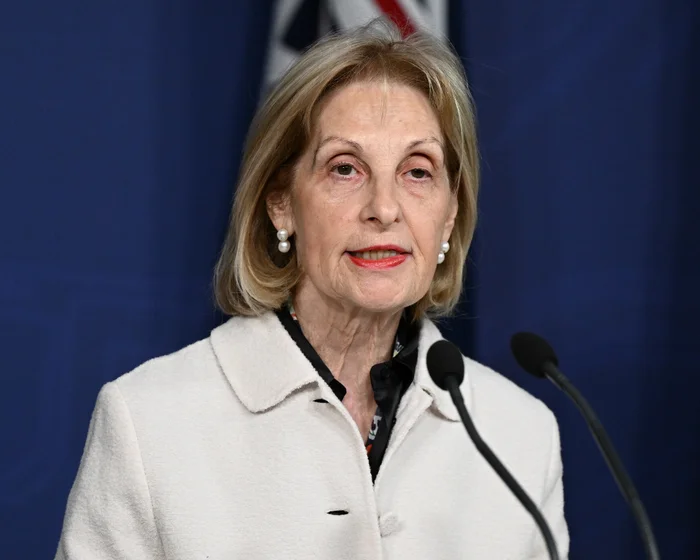
- Jillian Segal, the antisemitism envoy, called for an external regulatory body to oversee Israel coverage.
- The ABC and SBS rejected this proposal, defending their complaints processes.
- Segal cited concerns about perceived imbalance in Middle East reporting.
In a significant development at the royal commission, Jillian Segal, the antisemitism envoy, called for an external regulatory body to oversee public broadcasters' coverage of Israel. However, the Australian Broadcasting Corporation (ABC) and Special Broadcasting Service (SBS) have rejected this proposal, citing their existing complaints processes.
Segal testified before the royal commission on Thursday morning, highlighting a 'common and pervasive perception' in the Jewish community that ABC and SBS's Middle East coverage lacks balance. She noted concerns about an overemphasis on Gaza compared to other conflicts and alleged disproportionate voice given to anti-Israel perspectives.
In response, both public broadcasters defended their processes. The ABC stated that it has robust mechanisms for handling complaints and ensuring balanced reporting. Similarly, SBS emphasized its commitment to fair and accurate journalism while maintaining that the current system is adequate.
Segal's testimony came as part of a broader inquiry into media practices, with particular focus on how public broadcasters handle sensitive issues like Israel and Palestine. Her comments reflect ongoing tensions within Australian media regarding coverage of Middle Eastern conflicts.
The rejection of Segal’s proposal underscores the complex dynamics at play in Australian journalism. While some argue for additional oversight to ensure balanced reporting, others maintain that existing systems are sufficient and could be undermined by external interference.
This debate is not unique to Australia but echoes similar discussions globally about media regulation and editorial independence. The outcome of this royal commission will likely have implications beyond just the ABC and SBS, influencing broader conversations on journalistic standards in the region.