Key Takeaways
- Despite a reduction of Rs100 per litre in petrol and diesel prices, transport fares remain high.
- Commuters claim operators increased intra-city fares by around 40% after the government raised petroleum prices.
- Passengers urge Sindh government to intervene and reduce fares to pre-conflict levels.
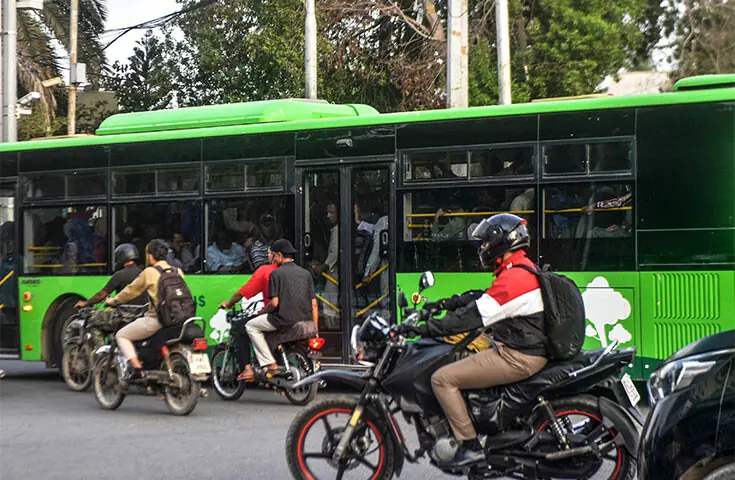
In Karachi, despite a significant reduction in fuel prices, commuters are facing continued high transport costs. A cumulative decrease of around Rs100 per litre in petrol and diesel prices over recent weeks has not led to fare reductions by private transport operators or ride-hailing services.
The situation is particularly frustrating for passengers who recall that when fuel prices surged from approximately Rs250-Rs270 per litre to nearly Rs400 during the US-Iran conflict, minimum fares on private buses and coaches increased by Rs10-20, while maximum fares rose by Rs30-50. Ride-hailing platforms also hiked fares for short motorcycle trips by around Rs100, long motorcycle trips by about Rs200, and car rides by Rs200 to Rs500.
Passengers argue that the net increase in fuel prices is now only about Rs30-40 per litre, making it difficult to justify continued higher fares. A young employee at a clothing shop in Jama Cloth Market stated, 'Before the regional conflict, the fare on a private bus from Orangi to Jama Bus Stop was Rs60, but later it increased to Rs90. Now that diesel prices have fallen by around Rs100 per litre, why haven’t transport fares been reduced? Instead of remaining at Rs90, the fare should have come down to at least Rs70.'
Commuters in Korangi district also complained about arbitrary fares from Dawood Chowrangi to Qayyumabad. One passenger noted that the normal fare was around Rs60-70, but a bus now charges more than this for the same journey.
The commuters maintain that if transport operators were quick to increase fares when fuel prices rose, they should reduce them with the same urgency as well now because the fuel prices have fallen substantially. They describe the continued charging of higher fares as unfair and unjustified, urging the government to intervene and ensure that commuters receive the relief they believe they deserve.
A spokesperson for a ride-hailing app added, 'We understand the financial pressures faced by transport operators, but we also recognize the need to pass on benefits to passengers. We are working with our partners to monitor fare structures and ensure transparency.'
The Sindh government has not yet commented publicly on the issue, but commuters continue to call for action. They believe that lower fuel prices should translate into reduced fares, providing much-needed relief in a city where public transport is a daily necessity.
In conclusion, while fuel prices have decreased significantly, the lack of fare reductions continues to burden commuters in Karachi. The government and transport operators are under pressure to address this issue promptly.
'Now that diesel prices have fallen by around Rs100 per litre, why haven’t transport fares been reduced? Instead of remaining at Rs90, the fare should have come down to at least Rs70.'
A young employee at a clothing shop in Jama Cloth Market
'We understand the financial pressures faced by transport operators, but we also recognize the need to pass on benefits to passengers. We are working with our partners to monitor fare structures and ensure transparency.'
A spokesperson for a ride-hailing app


