Key Takeaways
- Pakistan recorded an all-time high import of CKD kits worth $2.118bn in FY26.
- Local auto assemblers claim localisation levels between 50-70%, but vendors argue it is less than 50%.
- Experts call for a review of the National Tariff Policy to support domestic manufacturing.
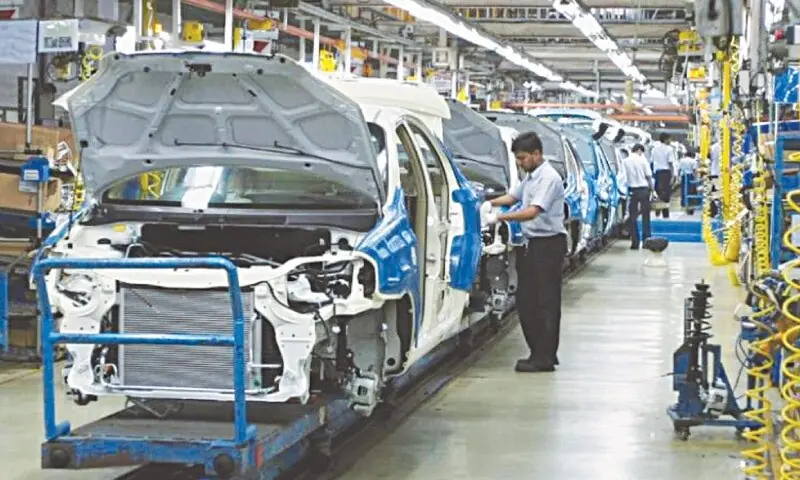
Pakistan witnessed an unprecedented surge in the import of semi- and completely knocked-down (SKD/CKD) kits by local auto assemblers, reaching $2.118bn in fiscal year 2025-26 (FY26), according to Dawn Business. This figure surpasses the previous all-time high of $1.7bn recorded in FY22.
The robust import trend is reflected in the sales figures, with a total of 155,631 cars sold during FY26 and an additional 50,814 units comprising SUVs, pickups, vans, and jeeps. Despite this growth, local auto parts manufacturers are expressing concerns over low localisation levels, which they claim to be between 50-70%.
However, vendors argue that the actual local content in new models is significantly lower than claimed by assemblers. Some new players, particularly Korean assemblers, report a localisation rate of only 35-40%, while Chinese manufacturers are not sharing their localisation figures. This discrepancy has raised questions about the effectiveness of current policies aimed at boosting domestic manufacturing.
Mashood Ali Khan, an auto parts maker and exporter, highlighted the critical need for a review of the National Tariff Policy to protect the local industry and conserve foreign exchange reserves, currently under pressure below $18 billion as of July 10. He emphasized that an open import policy is not in the national interest and could further strain the economy.
Khan’s concerns are echoed by the plight of Small and Medium Enterprises (SMEs) in the auto sector. “This trend is alarming for the survival of SMEs in the auto industry,” he stated, warning that if the situation continues, many SMEs will be forced to shut down their operations.”
The issue has become more pressing as the current automotive policy expires on June 30, followed by changes in taxes and duties in the budget 2026-27. Old assemblers claim localisation levels between 50-70%, but many vendors argue that local parts in new models they are introducing are less than 50%. Some new players, especially Korean assemblers, claim localisation of 35-40%, while Chinese players are not ready to share their localisation.
Under the last automotive policy, the government provided Korean and Chinese Original Equipment Manufacturers (OEMs) with a 25% tariff regime. However, experts point out that this model has failed to develop new local auto parts vendors or source from existing manufacturers. “Unfortunately, we have not seen these OEMs develop new local auto parts vendors or source from existing manufacturers,” Khan said.
The pattern of dependency on imported kits is reminiscent of the past when old models were discontinued, leading many local enterprises to close due to a lack of orders for new models. This scenario could repeat itself if current trends continue, impacting thousands of middle-class families dependent on this sector.
This trend is alarming for the survival of Small and Medium Enterprises in the auto sector.
Mashood Ali Khan, Auto parts maker and exporter
To protect local industry and conserve foreign exchange, the National Tariff Policy must be reviewed immediately.
Mashood Ali Khan, Auto parts maker and exporter