Key Takeaways
- China's second-quarter GDP growth slowed to 4.3% year-on-year, below market expectations.
- Weak domestic demand and the oil shock from the Iran conflict impacted economic performance.
- Industrial output remained robust, but fixed-asset investment declined sharply.
Official data released on Wednesday revealed that China’s second-quarter GDP growth slowed to 4.3% year-on-year, marking a significant drop from the first quarter's 5.0% and missing analysts' forecasts of 4.5%. This slowdown is seen as a concerning sign for the world’s second-largest economy.
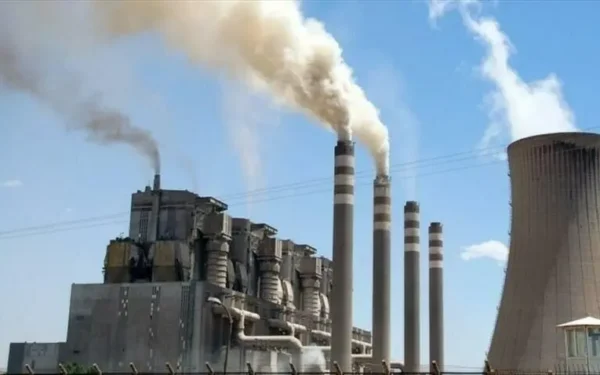
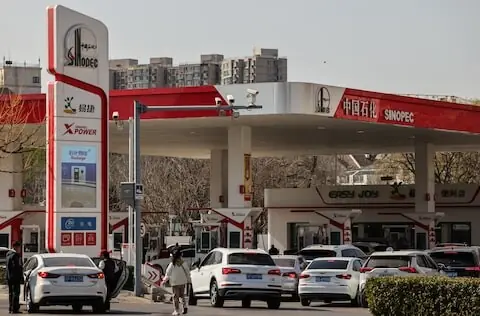
The weaker-than-expected growth can be attributed to several factors, including weak domestic demand and the ongoing impact of the oil shock resulting from tensions in Iran. Despite robust factory output, which benefited from AI-related exports, consumption and investment struggled under the weight of a prolonged property slump and global economic pressures.
On a more positive note, retail sales grew by 1.0% in June, marking their quickest growth in three months, turning around from May's decline. Industrial production also saw an acceleration with a 5.3% year-on-year increase in June, compared to the previous month’s 4.5%. However, fixed-asset investment contracted sharply, falling by 5.7% in the first half of 2026, against expectations for a 4.9% decline.
The property sector continued its downward trend, with investment dropping 18% year-on-year in the first half of the year, widening from January to May’s 16.2% drop. New home prices also contracted again in June, though at a slightly slower pace, as nationwide demand weakness offset some improvements in core cities.
Analysts are closely monitoring an expected late-July Politburo meeting for potential policy changes that could shape the economic landscape for the remainder of 2026. Premier Li Qiang called for a comprehensive and objective understanding of the current economic situation on Monday, amid signs of slowing momentum. Analysts anticipate Beijing to rely more heavily on fiscal stimulus measures to mitigate any further slowdown in growth.
The central bank’s ability to deliver aggressive monetary easing is limited, especially after the decline in oil prices. This suggests that policymakers may focus on targeted fiscal interventions rather than broad-based monetary policies to support economic recovery.