Key Takeaways
- Iran's new Supreme Leader Mojtaba Khamenei has warned the United States of its failed presence in the Middle East.
- The phrase 'Great Satan' is used by Iranian leaders to describe the U.S., reflecting decades-old opposition.
- Diplomatic relations between Iran and the U.S. are at their lowest point due to recent attacks on Iranian infrastructure.
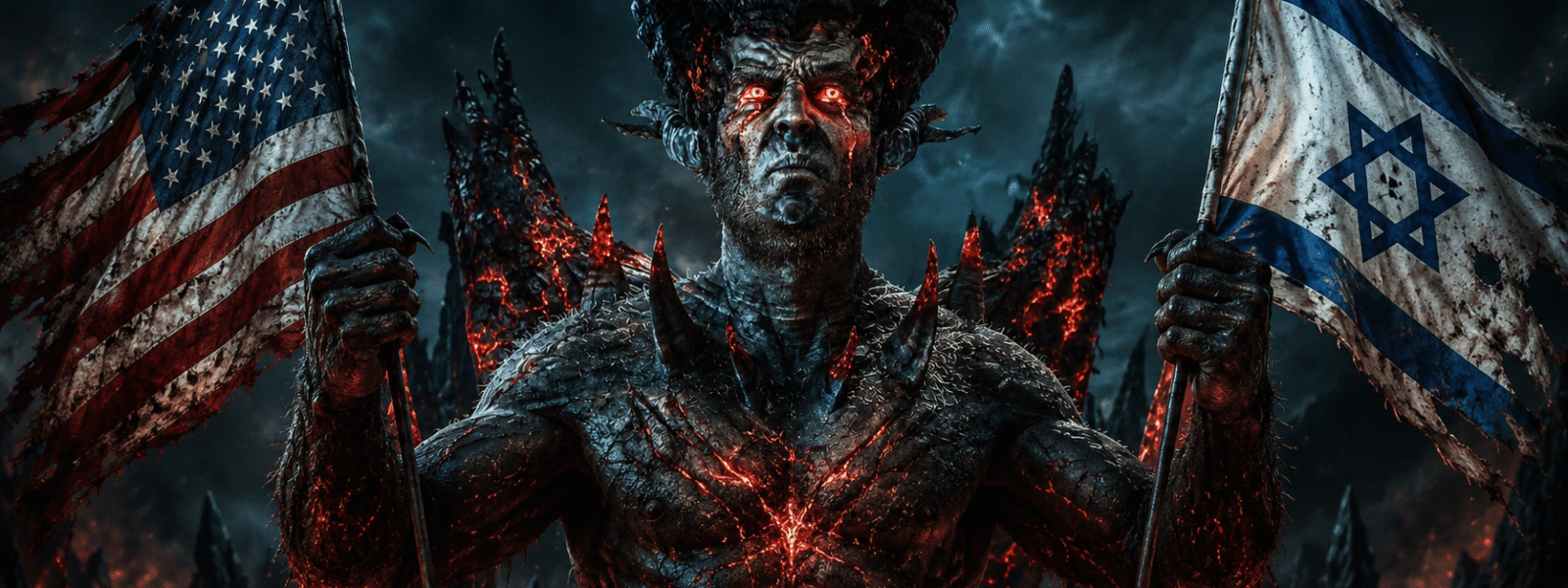
Iran’s new Supreme Leader, Mojtaba Khamenei, has issued a stern warning to the United States, stating that Washington can no longer maintain its unchallenged presence in the Middle East. In a post on X, Mojtaba Khamenei wrote: 'The Great Satan – the criminal US – has now realized that the continuation of its trouble-free, domineering presence in the region is nothing but a naive fantasy.'
This statement comes at a time when diplomatic relations between Iran and the United States are at their lowest point. Recent attacks by U.S. forces on Iran’s energy and shipping infrastructure have further strained ties.
The phrase 'Great Satan' has long been used by Iranian leaders to describe the United States, symbolizing decades-old opposition to American military presence in the region. Mojtaba Khamenei is widely regarded as an influential figure within Iran's political and religious establishment following the martyrdom of his father Ayatollah Ali Khamenei.
The warning issued by Mojtaba Khamenei reflects a growing assertiveness from Iran, which has been increasingly vocal in its opposition to U.S. policies in the Middle East. The statement underscores the deep-seated tensions between the two nations and highlights the challenges facing any potential diplomatic efforts.
In recent months, there have been several incidents that have exacerbated relations. These include the downing of a U.S. drone by Iran, which was followed by retaliatory airstrikes on Iranian targets. Such actions have further entrenched mutual distrust and hostility.
The United States has also faced criticism for its handling of regional conflicts, particularly in Syria and Iraq, where it has been accused of supporting groups that are seen as hostile to Iran’s interests. This has led to a cycle of escalation and counter-escalation, making any meaningful dialogue between the two nations increasingly difficult.
The statement by Mojtaba Khamenei is likely to be interpreted as a strong signal from Tehran, indicating its unwillingness to compromise on key issues such as regional influence and nuclear negotiations. It also serves as a reminder of the complex geopolitical landscape in the Middle East, where multiple actors are vying for power and influence.
As tensions continue to simmer, both nations face significant challenges in navigating their relationship. The future of U.S.-Iran relations remains uncertain, with ongoing conflicts and mutual distrust posing obstacles to any potential resolution.