Key Takeaways
- Bibi Aseefa Bhutto Zardari was briefed on the proposed JPMC Comprehensive Stroke Centre.
- The centre aims to manage a daily burden of 500 stroke cases in Sindh, including severe ones.
- The initiative is led by the Pakistan Stroke Initiative and will establish a tele-stroke network.
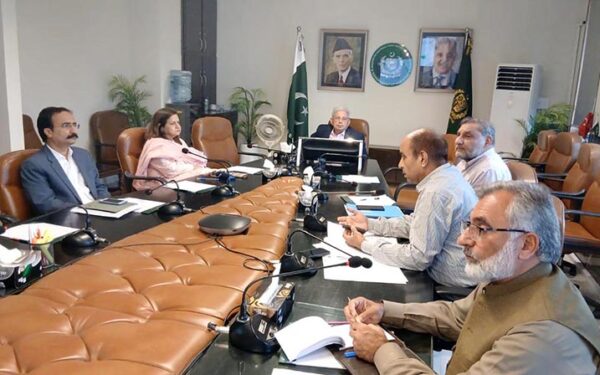
First Lady Bibi Aseefa Bhutto Zardari was briefed on the vision and implementation roadmap for the proposed Jinnah Postgraduate Medical Centre (JPMC) Comprehensive Stroke Centre during a meeting held in Karachi. The briefing, led by Dr. Syed Fazal Zaidi, an internationally renowned vascular and interventional neurologist, highlighted the urgent need to strengthen Pakistan’s public healthcare system through advanced stroke care facilities.
Dr. Zaidi informed that Sindh, with a population of over 55 million, records approximately 500 stroke cases daily, including around 50 severe cases requiring highly specialised treatment. He stressed the importance of establishing a Comprehensive Stroke Centre capable of managing both ischemic and hemorrhagic strokes, complex neurovascular emergencies, advanced neuro-interventional procedures, neurocritical care, and specialised rehabilitation.
The initiative is being spearheaded by the Pakistan Stroke Initiative (PSI), a US-based non-profit organisation. The partnership involves JPMC, the Patient Aid Foundation, and the Government of Sindh to establish Sindh’s first public-sector Comprehensive Stroke Centre. This centre will serve as a hub for a province-wide tele-stroke network, providing advanced stroke care, specialist training, and research.
Mushtaq Chapra, Chairman of the Patient Aid Foundation, reaffirmed the foundation's commitment to strengthening Pakistan’s public healthcare system through strategic philanthropic partnerships. He highlighted that the initiative aims to develop world-class medical infrastructure at JPMC to ensure equitable access to advanced healthcare services.
The delegation shared a long-term vision for developing Pakistan’s first public-sector Comprehensive Stroke Network over the next three to five years. This includes training stroke neurologists and neuro-interventional specialists, expanding regional stroke services, strengthening emergency referral pathways, standardising stroke care protocols, and connecting district hospitals through an integrated tele-stroke network.
Bibi Aseefa appreciated the collaborative efforts of the Pakistan Stroke Initiative, the Patient Aid Foundation, and JPMC to improve stroke care in Pakistan. She acknowledged the importance of strengthening specialised stroke services and expressed full support for initiatives aimed at reducing preventable deaths and lifelong disability caused by stroke. The First Lady noted that such efforts would help save lives and improve patient outcomes.
The meeting concluded with a shared commitment to advancing the JPMC Comprehensive Stroke Centre as a landmark public-sector healthcare initiative that will complement existing services, strengthen Sindh’s stroke care system, and expand access to high-quality specialised stroke care for the people of Sindh and Pakistan.
The province, with a population of over 55 million, records an estimated 500 stroke cases every day, including around 50 patients with severe strokes requiring highly specialised care.
Dr. Syed Fazal Zaidi, Professor of Neurology at the University of Toledo and Founding Director of the JPMC Comprehensive Stroke Program
The First Lady appreciated the collaborative efforts of the Pakistan Stroke Initiative, the Patient Aid Foundation and JPMC to improve stroke care in Pakistan.
Bibi Aseefa Bhutto Zardari, MNA and First Lady