Key Takeaways
- Global heating made hot, dry and windy conditions at least 20 times more likely in Spain.
- Experts link extreme heat and drought to the climate crisis, stoking wildfires.
- Findings highlight the impact of burning fossil fuels on European weather patterns.
A recent scientific analysis has revealed that global heating significantly increases the likelihood of hot, dry and windy conditions in Spain, making such weather at least 20 times more probable. This finding underscores the urgent need to address climate change as it directly impacts Europe’s weather patterns.
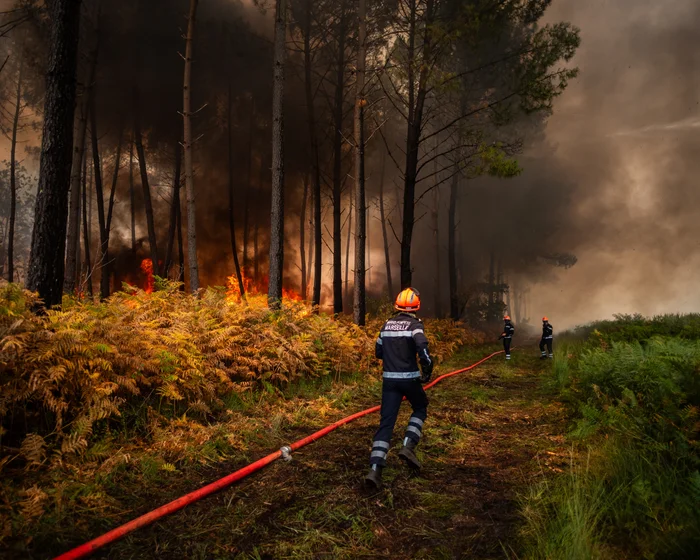
The World Weather Attribution (WWA) consortium conducted this study, which attributes the extreme heat and drought that have fueled massive wildfires in Spain and France to the climate crisis. The analysis shows a clear link between rising temperatures and increased risk of severe weather events.
Experts from WWA state that these conditions are made far more likely by global heating, emphasizing the critical role of reducing greenhouse gas emissions to mitigate future risks. This comes as Europe continues to grapple with sweltering summers and deadly wildfires, highlighting the immediate consequences of inaction on climate change.
The study’s findings are part of a growing body of evidence that points to the climate crisis as a primary driver behind extreme weather events across the continent. By attributing these conditions to human-caused global heating, scientists aim to provide policymakers with clear and actionable insights.
This research builds upon previous studies that have also linked climate change to increased wildfire risks in Europe. It serves as a stark reminder of the need for comprehensive climate action at both national and international levels.
The implications extend beyond just Spain; similar conditions are likely affecting other parts of Europe, making it crucial for governments and communities to prepare for more frequent and severe weather events.