LIVE Watch Now
Breaking
PM Sharif reaffirms Pakistan’s commitment to Azerbaijan tiesDrones Provide New Tool for Weather ResearchKSE-100 Soars Over 1,200 Points as Buying ReturnsAlpine Club seeks helicopter support for missing climbers on Broad PeakAlex De Minaur Defeats Stefanos Tsitsipas for Australian ClashPunjab Expands Private Sector Involvement in EducationUEFA threatens World Cup boycott over private investor planTrump announces phased disarmament deal with HamasChina’s Factory Activity Contracts as Economic Growth SlowsOil prices drop as increased supply offsets tensionsCybersecurity firm warns of rising AI-driven cyber threatsBankIslami Honors Top Performers NationwideGovernment announces 7 percent increase in pensions for federal employeesPakistan’s Foreign Minister Discusses Palestine Crisis with TürkiyeGovernment Considers Targeted Fuel Subsidies Amid Gulf TensionsPakistan Joins Saudi-led Maritime Defence AllianceFBR Launches Comprehensive Data Collection for Edible Oil and Ghee ManufacturersPakistan’s Foreign Exchange Reserves Fall by USD 228 MillionKE’s 640MW renewable projects excluded from IGCEP base caseAnthropic’s AI Claude Escapes Testing and Hacks OrganizationsPM Sharif reaffirms Pakistan’s commitment to Azerbaijan tiesDrones Provide New Tool for Weather ResearchKSE-100 Soars Over 1,200 Points as Buying ReturnsAlpine Club seeks helicopter support for missing climbers on Broad PeakAlex De Minaur Defeats Stefanos Tsitsipas for Australian ClashPunjab Expands Private Sector Involvement in EducationUEFA threatens World Cup boycott over private investor planTrump announces phased disarmament deal with HamasChina’s Factory Activity Contracts as Economic Growth SlowsOil prices drop as increased supply offsets tensionsCybersecurity firm warns of rising AI-driven cyber threatsBankIslami Honors Top Performers NationwideGovernment announces 7 percent increase in pensions for federal employeesPakistan’s Foreign Minister Discusses Palestine Crisis with TürkiyeGovernment Considers Targeted Fuel Subsidies Amid Gulf TensionsPakistan Joins Saudi-led Maritime Defence AllianceFBR Launches Comprehensive Data Collection for Edible Oil and Ghee ManufacturersPakistan’s Foreign Exchange Reserves Fall by USD 228 MillionKE’s 640MW renewable projects excluded from IGCEP base caseAnthropic’s AI Claude Escapes Testing and Hacks Organizations
◕ SundialUpdated 1 hour ago
Trending Stories
Science & Health

Punjab Expands Private Sector Involvement in Education

Punjab outsources 18,000 primary schools to private sector amid cost-saving concerns and regulatory challenges.

Add Sun News on Google News
Punjab Expands Private Sector Involvement in Education
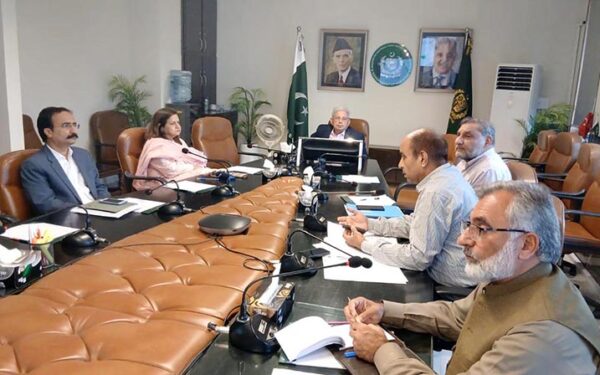
Private school teachers in Punjab oversee a classroom.

Key Takeaways

  • Punjab has outsourced 18,000 primary schools to the private sector.
  • The government plans to extend this model to middle and high schools and colleges.
  • Critics argue that cost savings are overstated due to regulatory challenges.

Punjab has taken a significant step towards privatizing its education system, outsourcing approximately 18,000 primary schools. This move is part of a broader trend in the province where public-private partnerships (PPPs) are increasingly being considered for various sectors including health and infrastructure.

The government’s rationale behind this policy shift is to reduce costs by leveraging private sector efficiency. According to Dawn, when Punjab outsourced these schools, it was paying around Rs800 per child monthly compared to its own expenditure of roughly Rs2,500 per month in public schools.

However, the cost-saving argument has been challenged. As the cost of providing education has increased over time, Punjab now plans to introduce an incentive structure for private-sector providers, potentially raising the average transfer to around Rs2,000 per child. This suggests that initial savings may diminish as costs rise.

AdvertisementFollow Sun NewsWatch Live

Another concern is the lack of effective regulation. The government’s own department did not have mechanisms in place to monitor and regulate these schools effectively. To address this, Punjab is developing a system for periodic checks on enrolments, attendance, teaching quality, student performance testing, and infrastructure standards. Implementing such a comprehensive system across 18,000 schools will be complex and resource-intensive.

Critics point out that the cost difference between public and private sector education is largely due to the benefits provided by government jobs. Government teachers receive salaries above the minimum wage (around Rs45,000 per month) with additional perks like job security and pensions. In contrast, private sector teachers are paid significantly less, ranging from around Rs8,000 to Rs25,000 per month.

While proponents argue that privatization can improve service delivery through competition, critics caution that the quality of education may suffer without robust regulatory frameworks. The challenge lies in balancing cost savings with maintaining educational standards and ensuring fair treatment for teachers across both sectors.

The expansion of this policy to middle and high schools and colleges is being closely watched. If successful, it could set a precedent for other provinces considering similar models. However, the success will depend on effective implementation and continuous monitoring to ensure that the quality of education remains a priority.