Key Takeaways
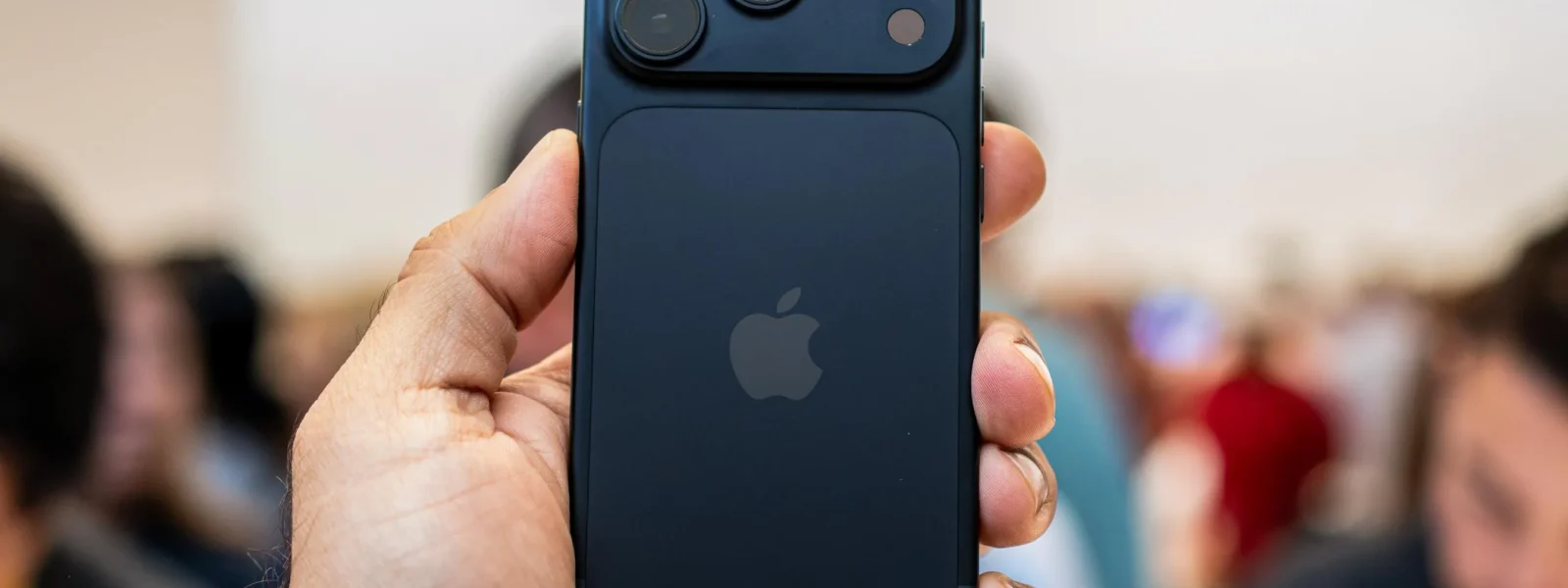
- Apple's new iPhone 18 Pro and Pro Max start at $1,199 and $1,299, marking a $100 increase over their predecessors.
- This year, a $100 price hike has become a trend across the industry, with Google and Samsung following Apple's lead.
- Kioxia resists further NAND price increases, focusing on longer customer contracts and disciplined capacity expansion.
Smartphone manufacturers are facing a significant challenge as they hike prices across the board, with Apple leading the trend. The new iPhone 18 Pro and Pro Max models, unveiled at Apple's recent event, start at $1,199 and $1,299 respectively, marking a $100 increase over their predecessors. This price hike is not limited to Apple; Google and Samsung have also followed suit, with the Pixel 11 starting at $899, up from $799 for the previous model, and the Galaxy Z Fold 8 Ultra launching at $2,099, a $100 increase from its predecessor.
Industry analysts attribute this trend to a combination of supply chain disruptions and increased demand, particularly from data centers. The price hikes are seen as a way for manufacturers to offset rising costs and maintain profit margins. However, the trend has raised concerns among consumers, who are facing higher costs for their new devices.

In a related development, Kioxia, a leading memory chip manufacturer, has ruled out deeper manufacturing ties with SK Hynix while resisting further aggressive NAND price increases. Instead, Kioxia is focusing on longer customer contracts and disciplined capacity expansion to manage the tight supply of memory chips. This strategy is aimed at ensuring a steady supply of memory chips to meet the growing demand from data centers and other sectors.
Industry experts suggest that the current price hikes are likely to continue as long as supply chain issues persist and demand remains high. However, Kioxia's decision to avoid further price increases could potentially ease some of the financial burden on consumers and businesses in the short term.
The price hikes have sparked discussions about the sustainability of the current model in the smartphone industry. Some argue that the increased costs could lead to a decline in sales, while others believe that the trend is here to stay due to the high demand for advanced technology and the rising costs of production.
Despite the price increases, Apple, Google, and Samsung continue to innovate and introduce new features in their latest models. However, the higher prices may affect consumer purchasing decisions, particularly among budget-conscious buyers. The industry is closely watching how these price hikes will impact overall sales and market trends in the coming months.
Industry insiders predict that the trend of price hikes will continue unless there is a significant improvement in the supply chain or a decrease in raw material costs. However, Kioxia's decision to focus on longer-term contracts and disciplined capacity expansion could provide some relief to the market, potentially stabilizing prices in the long run.