The provincial government has mandated that brick kilns across Punjab remain completely closed from 15 November to 15 December.
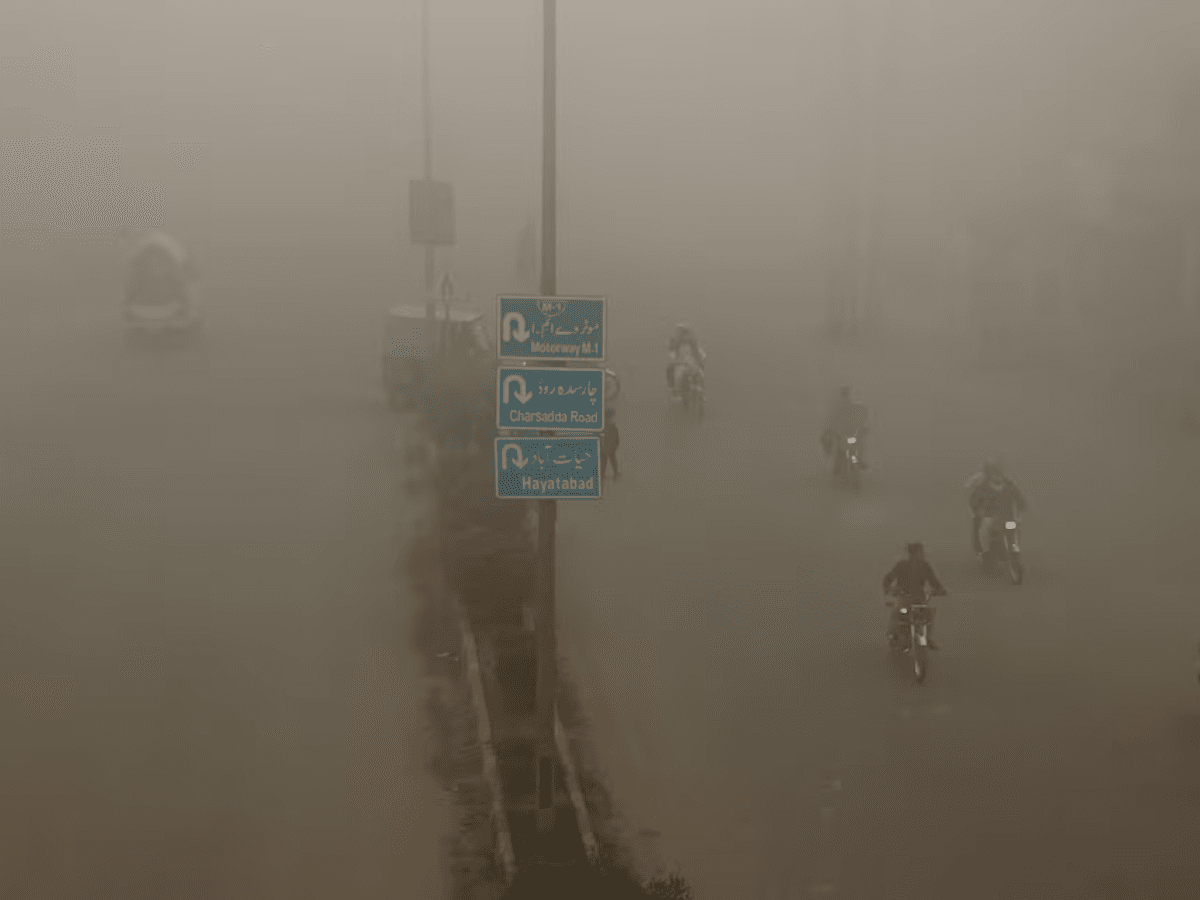
Severe air pollution has reached critical levels in Islamabad, Rawalpindi, and five major cities throughout Punjab. According to a survey by the Environment Protection and Climate Change Department, Lahore's overall Air Quality Index (AQI) has crossed 253, with several areas exceeding 419. Nankana Sahib recorded an extremely dangerous AQI of 371, while Faisalabad recorded 290.
Other regional readings include 296 in Multan, 289 in Narowal, 255 in Gujranwala, 185 in Rawalpindi, and between 170 and 172 in Islamabad. Attock stands at 116, Jhelum at 156, and Chakwal at 104. The burning of rice crop residues in Gujranwala and Nankana Sahib has contributed to rising pollution levels.
Operations against the burning of crop residues, scrap, garbage, tyres, and smoke-emitting vehicles have failed to produce the desired results. Officials said the problem cannot be controlled unless these materials are disposed of through scientific methods, despite the issuance of challans and fines. The drone-based system for monitoring smoke emissions has also proved unsuccessful.
The Regional Transport Authority secretary said 49 smoke-emitting vehicles had been impounded and fines amounting to Rs600,000 imposed. A spokesperson for the Environment Protection and Climate Change Department said 21 brick kilns and five stone-crushing plants emitting smoke had been sealed. The Agriculture Department will arrange Salat-i-Istisqa (prayer for rain) next Friday.