According to a press release received here, Pakistan called for stronger international climate financing, technology transfer, and cooperation to tackle growing climate risks during a high-level session at the 31st Conference of the Parties (COP31) in Antalya, Türkiye. The National Disaster Management Authority (NDMA) hosted the session at the Pakistan Pavilion on Thursday to highlight the country’s shift from reactive disaster response to proactive, technology-enabled preparedness and anticipatory action.
The session, titled “Leveraging Innovative Technologies in Proactive Disaster Management,” was led by NDMA Chairman Lt Gen Muhammad Hassan Khattak. Attendees included Prime Minister’s Coordinator on Climate Change Romina Khurshid Alam, SDPI Executive Director and NDRMF Board Chairman Dr Abid Qayyum Suleri, SilverLining Director of Science and Science Policy Dr Corinne Hartin, and Catholic Relief Services Chief of Party Rado Ravonjiarivelo.
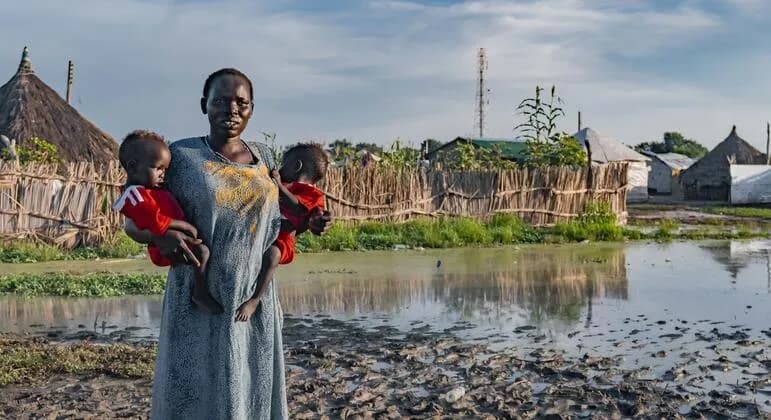
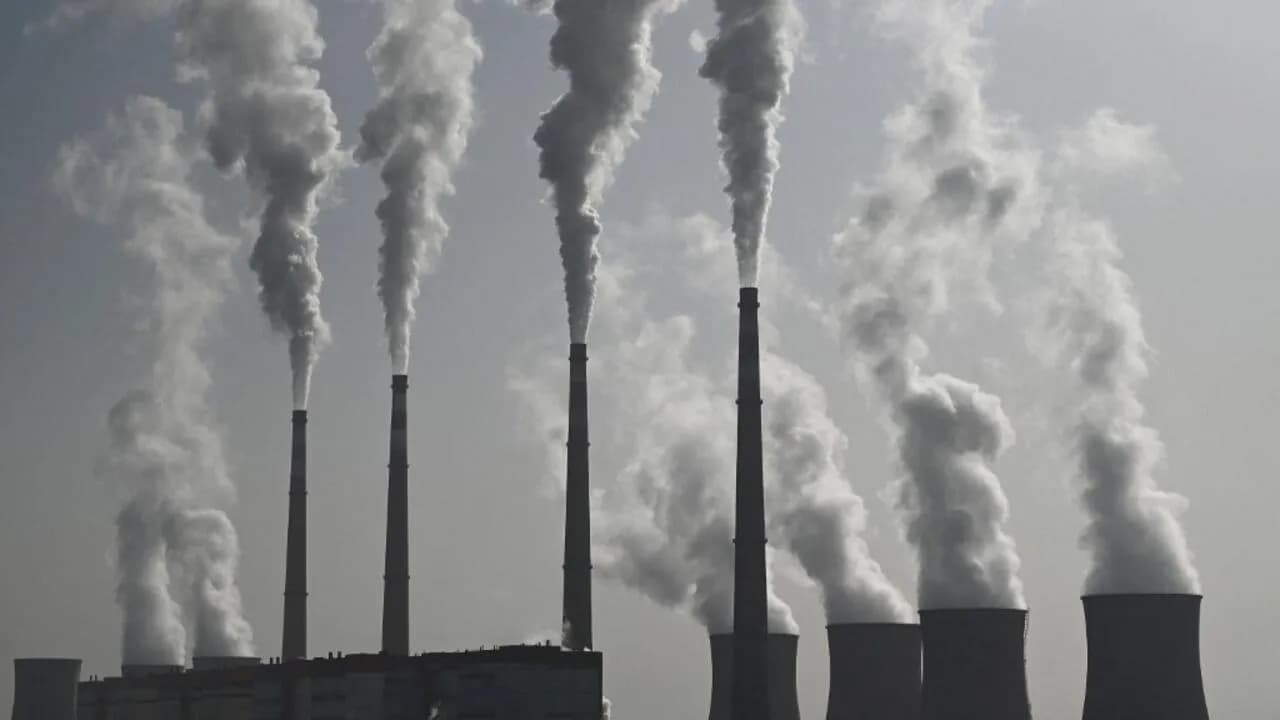
Participants noted that Pakistan continues to face disproportionate climate risks despite contributing minimally to global greenhouse gas emissions. They cited the devastating 2022 floods, which affected around 33 million people and caused more than $30 billion in damages and economic losses, as a stark reminder of the urgent need to strengthen disaster preparedness and climate adaptation.
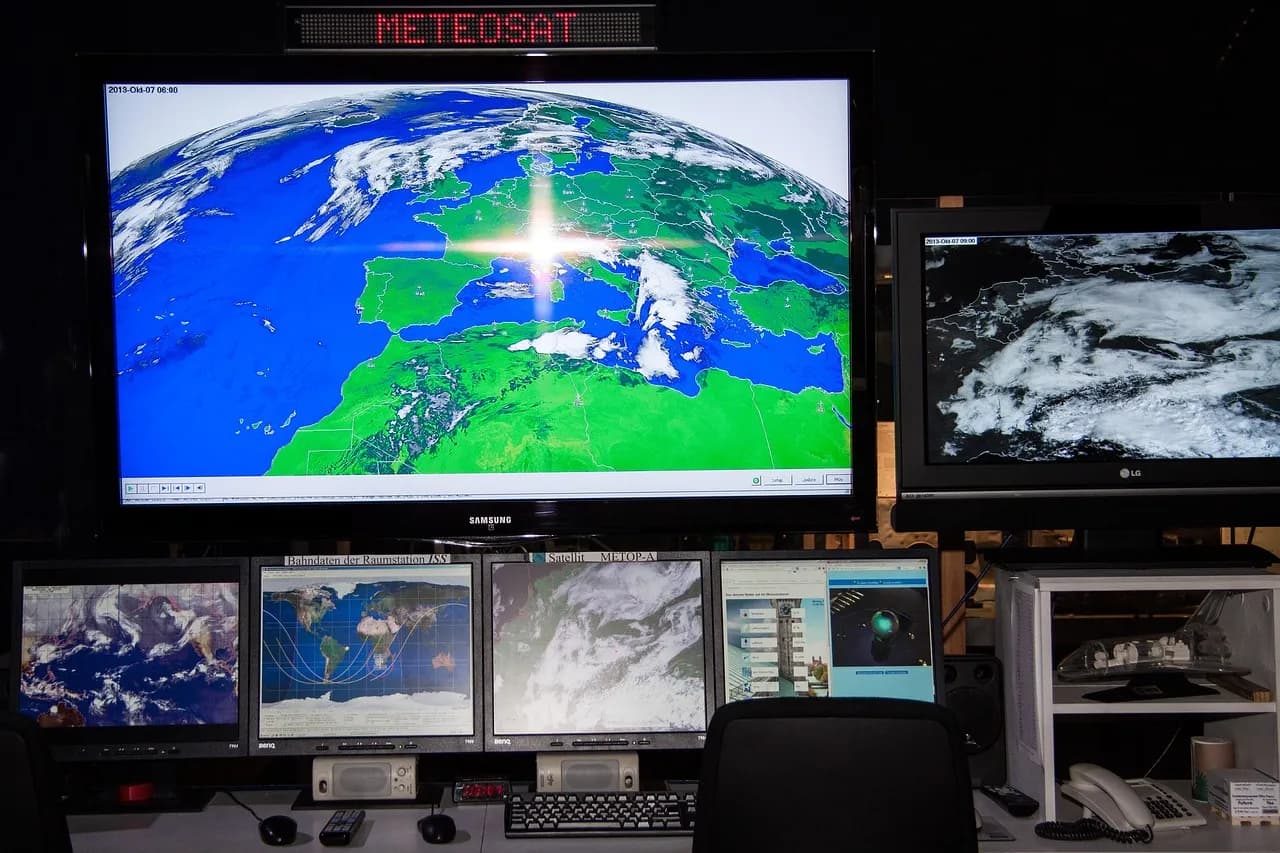
Chairman NDMA highlighted the National Emergencies Operations Centre (NEOC) as the country’s central platform for real-time hazard monitoring, risk assessment, early warning generation and nationwide coordination of disaster preparedness. He explained that the integration of satellite observations, remote sensing, weather forecasts, ground-based information and artificial intelligence-enabled analytics is enabling authorities to identify emerging threats, assess exposed populations and critical infrastructure, and issue impact based advisories to provincial and district disaster management authorities and relevant government departments.
The session also underscored that technological advancements alone cannot guarantee resilience unless translated into timely action on the ground. Strengthening institutional preparedness, ensuring adequate resources and building the operational capacity of provincial and district authorities, particularly in climate-vulnerable areas, were identified as critical to making early warning systems effective. Participants stressed that communities must be equipped to respond to warnings through practical preparedness measures, coordinated response plans and sustained investment in local disaster management capabilities.
A central theme of Pakistan’s engagement was the need for enhanced, predictable and accessible international climate financing for developing countries facing severe climate impacts. Pakistan maintained that climate vulnerable nations with minimal contributions to global emissions should not be left to shoulder the disproportionate costs of climate-related disasters without adequate international support. The country called for greater investment in climate adaptation, early warning infrastructure, resilient development, advanced technologies, institutional capacity building and community-level preparedness.
Reaffirming its commitment to technology enabled disaster risk reduction, Pakistan said it would continue advancing anticipatory action, strengthening early warning systems and promoting international cooperation in data sharing, technological innovation, institutional capacity building and climate finance. The engagement at COP31 reflected Pakistan’s broader push to place disaster preparedness, climate adaptation and technology at the centre of its national resilience agenda, while seeking stronger international partnerships to address the growing threat of climate-induced disasters.