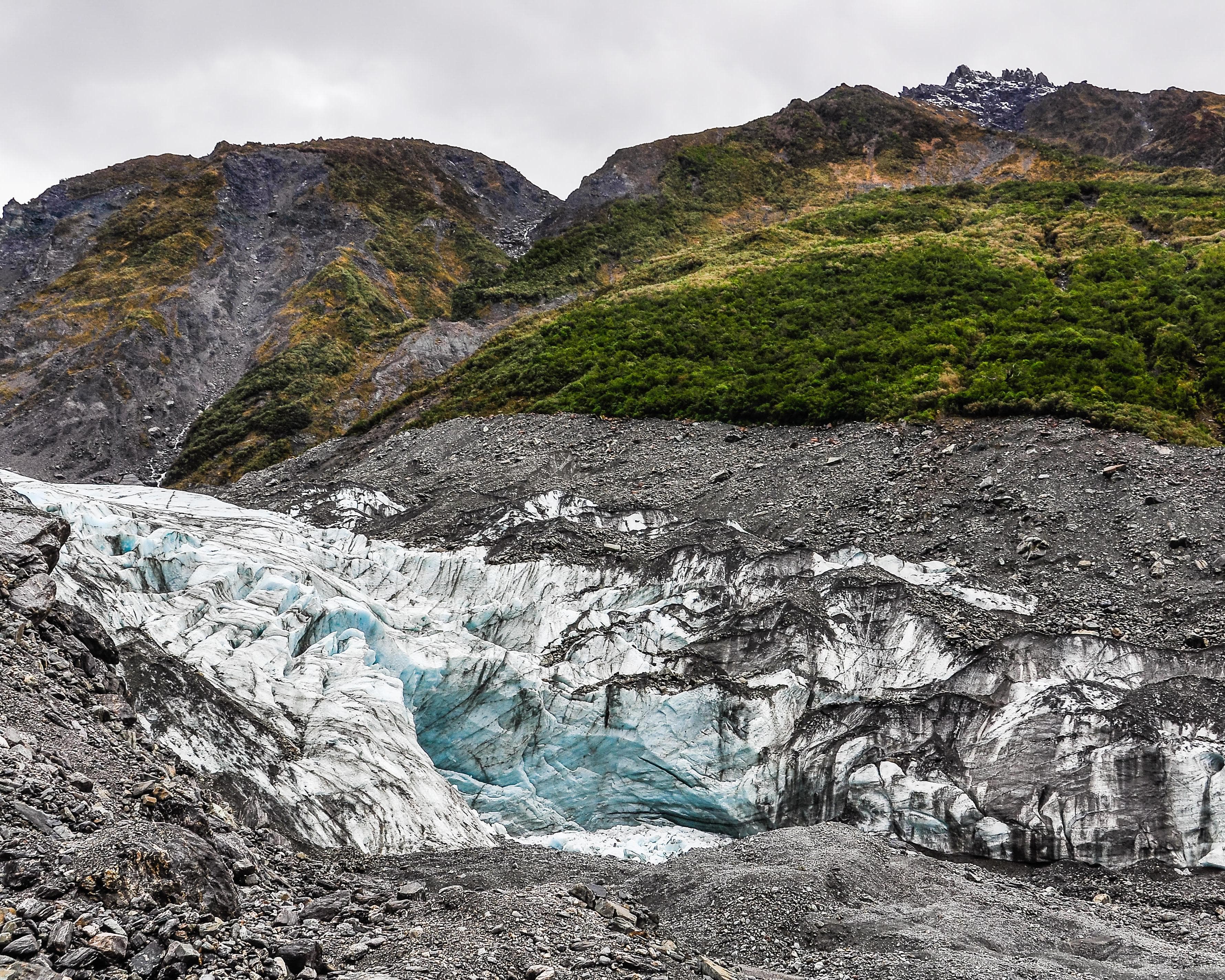
New Zealand's greenhouse gas levels reached record highs, according to a government report released on 6 October 2026. The report warned of rising temperatures and catastrophic glacial melt across the country.
New Zealand's annual average temperature has climbed by 1.36°C since 1909. Furthermore, seven of the ten warmest years recorded occurred within the last decade.
The nation possesses approximately 3000 glaciers. Glacier volume diminished from 56 cubic kilometres in 1997 to 30 cubic kilometres in 2023.
Under the 'low climate scenario', glaciers are projected to lose between 14% and 86% of their volume by the year 2100. Conversely, the 'high climate scenario' suggests a volume loss ranging from 69% to 100% by 2100.
Carbon dioxide concentrations increased by 30% since monitoring commenced in New Zealand in 1972. Methane levels saw a slight rise in 2025, reaching their highest recorded concentration.
Heatwaves are very likely to increase in frequency, length, and intensity across New Zealand. The number of days exceeding 25°C was very likely to increase by 2050.
In 2025, New Zealand’s oceans warmed at a rate of 34% faster than the global average. Marine heatwaves are currently impacting some native species.
The report compiles statistics across five areas: air, atmosphere and climate, freshwater, land, and marine. Continued warming presents risks including damaging storms, droughts, sea level rise, and reduced access to culturally significant places.
Severe storms, such as Cyclone Gabrielle and the Auckland floods in 2023, previously battered New Zealand. Dr Alison Collins stated that 'Climate change is a human story and an economic story'.