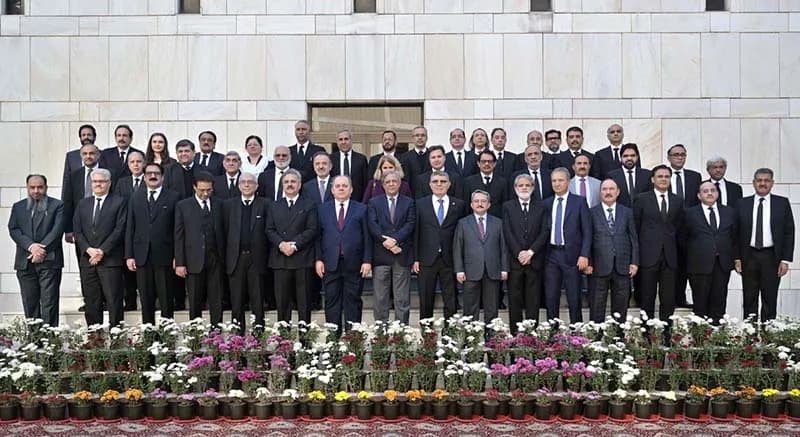
Federal ministers have informed global social media companies that they are not exempt from responsibility for the spread of fake news and harmful content on their platforms within Pakistan. The officials spoke during an international seminar on Social Media Platforms and the Post-Truth Era, hosted by the Sustainable Development Policy Institute (SDPI) in Islamabad on Tuesday.
The event gathered journalists, international experts, and representatives from Meta and TikTok to deliberate on platform accountability, disinformation, and compliance with local laws.
In a keynote address, Federal Minister for Law and Justice Azam Nazeer Tarar stated that fake news now spreads within seconds and its damage cannot be undone once it is out. Tarar emphasized that the protection of citizens’ privacy, honour, reputation, and dignity must be balanced with freedom of expression. He noted that Pakistan updated its regulatory framework following 18 months of consultations with tech companies, including Meta and the Asia Internet Coalition. These changes included reforming the Prevention of Electronic Crimes Act (PECA) and establishing the Social Media Regulatory Authority. Tarar told the platforms they cannot absolve themselves of responsibility and urged them to immediately remove content that is clearly false or scandalous.
Federal Minister for Information Attaullah Tarar highlighted the scale of the issue, noting that Pakistan has approximately 160 million smartphone users and nearly 100 million social media users, making unverified information a major challenge.
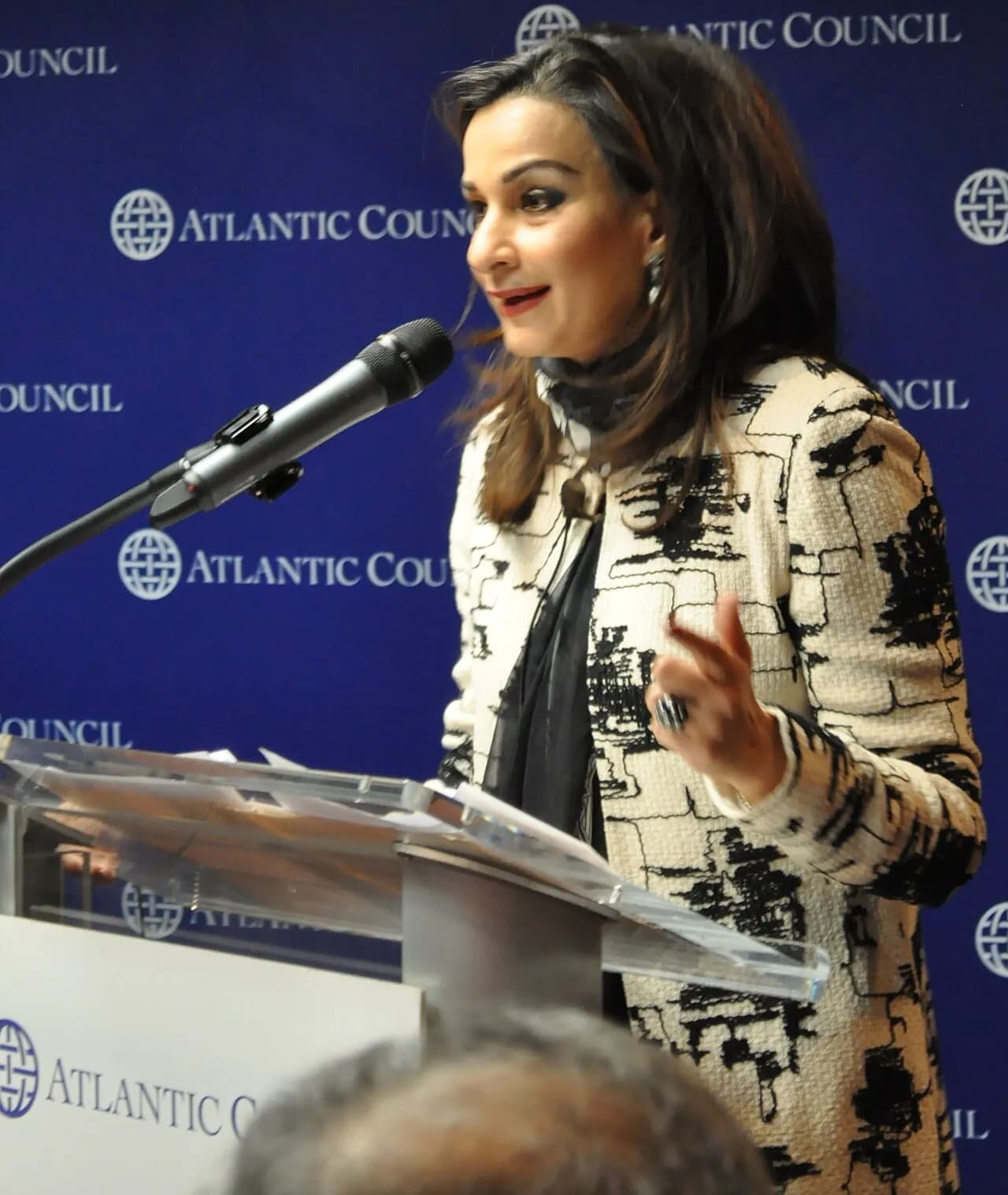
Sindh Senior Minister Sharjeel Inam Memon called on platforms to utilize AI tools to filter out violent and terrorism-related content before it is published. Meanwhile, Federal Minister for IT and Telecom Shaza Fatima Khawaja advocated for better coordination through specialized bodies like the National Cyber Crime Investigation Agency (NCCIA) and the PTA. Khawaja stated that banning or shutting down digital platforms should remain a last resort, noting that Pakistan’s tech exports have exceeded $4.6 billion and the country cannot afford to restrict innovation.
National security expert Laurie A. Watkins proposed that major platforms operating in Pakistan should appoint local representatives with the authority to handle complaints and lawful requests. She also suggested that platforms should provide complaint mechanisms in local languages and regularly disclose the time taken to review such complaints.
Representing the tech companies, Dania Mukhtar, Head of Public Policy at Meta Pakistan, explained that government requests are first reviewed against Meta’s policies and then undergo legal and human rights assessments before any content is restricted in the country.
Fahad Muhammad Khan Niazi, who leads public policy for emerging markets at ByteDance/TikTok, reported that the platform removed 33 million pieces of content in Pakistan during the second quarter of 2026, representing 1.1% of all content uploaded during that period. Niazi also confirmed that TikTok has signed an MoU with the PTA.
SDPI Executive Director Dr Abid Qaiyum Suleri opened the seminar by noting that while social media has democratised access to information, terrorist groups are also using these platforms to recruit supporters and spread propaganda.