Key Takeaways
- Punjab government introduces new ordinance to penalize parents forcing children to beg.
- Maximum penalty includes three years in prison and a fine of Rs. 300,000.
- New law expands definition of a child to include 16-year-olds.
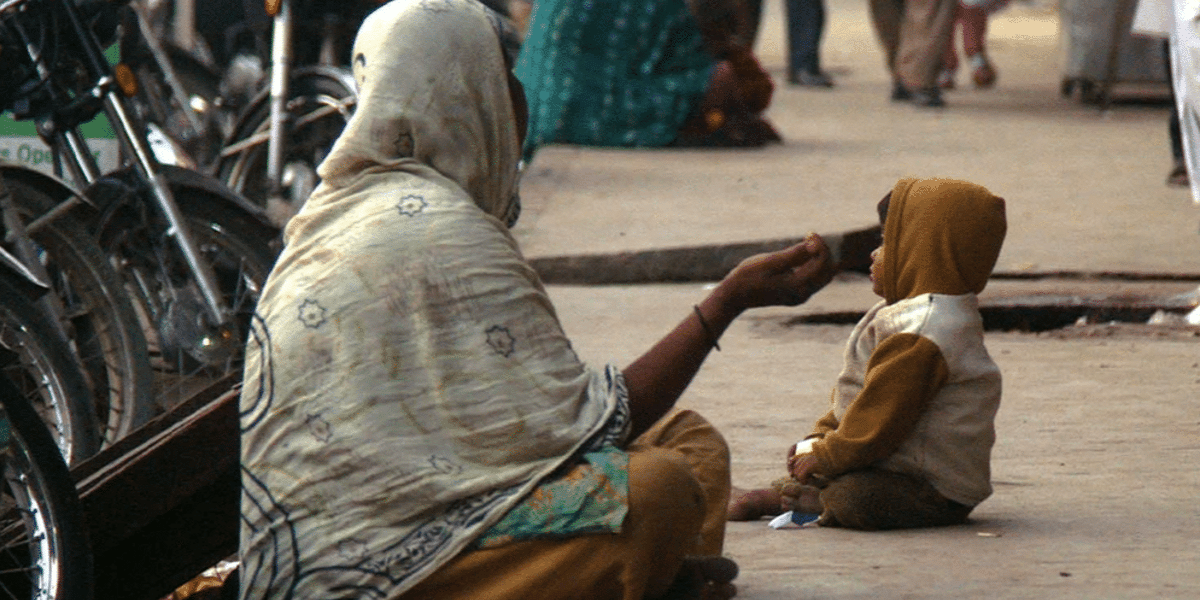
The Punjab government has introduced a new ordinance to combat child begging, imposing stricter penalties on parents and guardians who force children to engage in this activity. The Punjab Vagrancy Amendment Ordinance, 2026, was approved by the provincial governor and came into effect immediately.
Under the new law, parents and guardians found guilty of forcing children to beg can face up to three years in prison and a fine of Rs. 300,000. This measure aims to protect vulnerable children and ensure they are not exploited for financial gain.
The ordinance also expands the definition of a child to include 16-year-olds, ensuring that all minors are protected under the new law. This change reflects the government's commitment to safeguarding the rights of young people in the province.
To strengthen efforts against begging, the Punjab government has introduced administrative changes. The Director General of Social Welfare and Baitul Mal has been appointed as the Controller of Vagrancy, a new role designed to oversee and coordinate anti-begging initiatives.
The new law is part of a broader strategy to address the issue of child begging in Punjab. By imposing harsher penalties and expanding the scope of protection, the government hopes to reduce the incidence of children being forced into this exploitative practice.
The introduction of this new ordinance is seen as a significant step towards protecting the welfare of children in Punjab. It aligns with the government's broader goals of social welfare and the protection of vulnerable groups.
The Director General of Social Welfare and Baitul Mal, appointed as the Controller of Vagrancy, will play a crucial role in implementing and enforcing the new law. This new position is expected to enhance the effectiveness of anti-begging efforts in the province.