Key Takeaways
- Prime Minister Shehbaz Sharif condemned Houthi attacks on Saudi Arabia during a call with Crown Prince Mohammed bin Salman.
- Pakistan expressed solidarity with Saudi Arabia and pledged to help defuse regional tensions.
- The attacks underscored the risk of the Iran conflict escalating into a wider regional war.
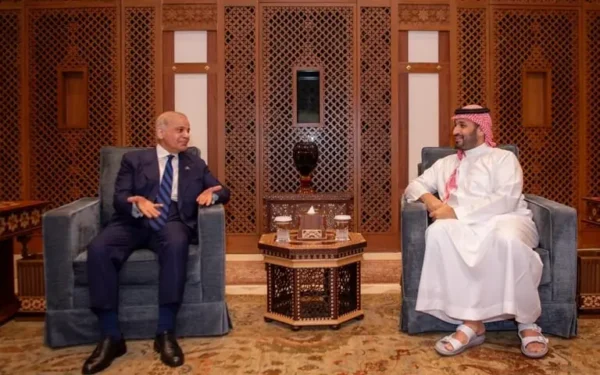
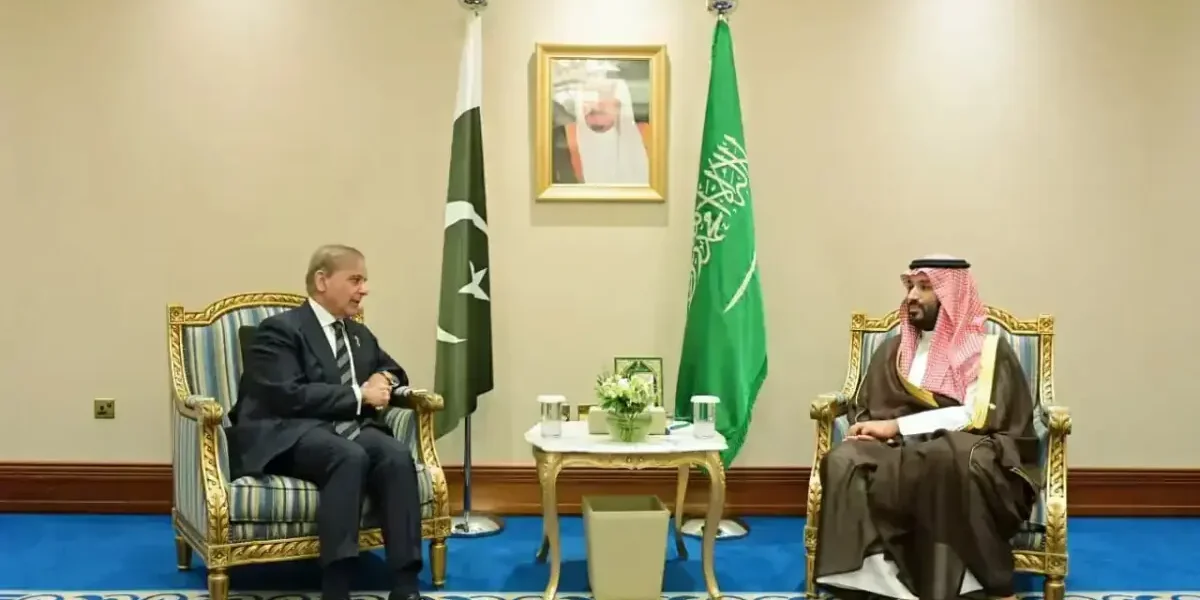
Prime Minister Muhammad Shehbaz Sharif recently held a telephone conversation with Saudi Crown Prince and Prime Minister Mohammed bin Salman, during which he strongly condemned the recent Houthi attacks on Saudi Arabia’s civilian and economic infrastructure.
The prime minister expressed Pakistan’s complete solidarity with the Saudi leadership and people, stating that the Houthi actions threatened regional peace and security and could further disrupt the global economy and energy supplies.
PM Shehbaz also praised the Saudi crown prince for his ‘wise and sagacious leadership’ throughout the crisis and conveyed his warm wishes and respectful regards to Saudi King Salman bin Abdulaziz Al Saud.
Crown Prince Mohammed bin Salman appreciated Pakistan’s steadfast support for Saudi Arabia and its efforts for regional peace and stability, and both leaders agreed to remain in close contact and expressed their desire to meet at an early date.
The attacks came days after Yemen’s Houthis launched strikes on energy facilities and cities in Saudi Arabia, wounding more than 70 people.
The six-month-old conflict in Iran has been marked by a cycle of pauses followed by periodic flare-ups since the US and Israel launched unprovoked attacks on February 28, aiming to end Tehran’s nuclear programme.
Pakistani officials are concerned that the Houthi threat is more likely to draw Islamabad into a war than Iranian missile strikes on Saudi energy infrastructure were earlier this year.
The fighting represents the first major test of the mutual defence alliance signed between Pakistan, Saudi Arabia, and Turkiye last month, adding to a pre-existing pact between Islamabad and Riyadh.
Under the arrangement, an armed attack on any one of the three countries is to be regarded as an attack on all, increasing the risk of regional conflict.