Key Takeaways
- Commuters and small car owners praise Prime Minister’s Rs100 per litre petrol subsidy.
- Five-litre petrol limit per token abolished, benefiting motorcycle riders.
- SMS charges scrapped for all fuel scheme beneficiaries.
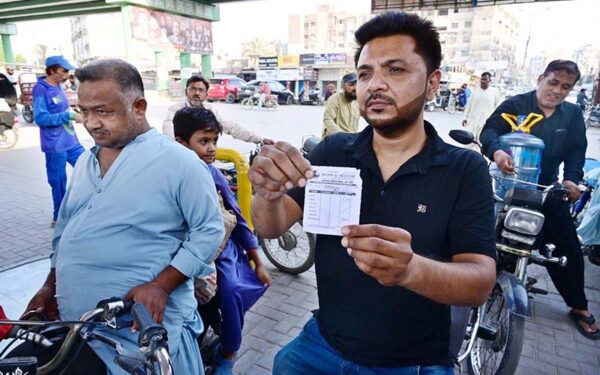
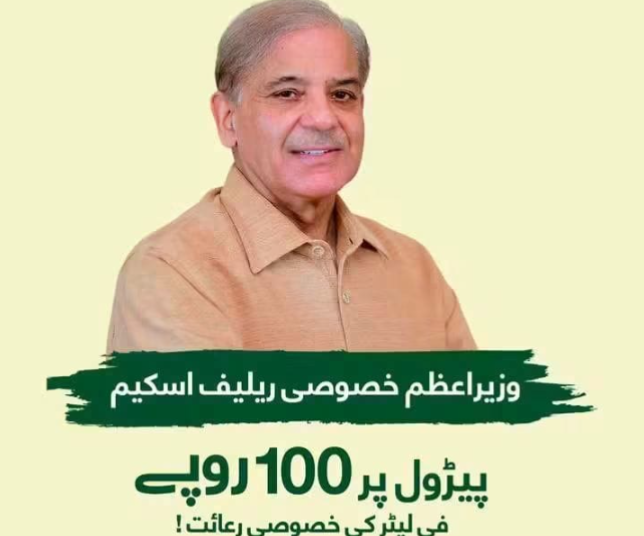
Daily commuters and small car owners in Pakistan have expressed satisfaction with the Prime Minister’s Rs100 per litre petrol relief package, which is aimed at easing the financial burden on low- and middle-income groups. The scheme provides monthly savings of up to Rs2,000 for eligible individuals.
The relief package, introduced by the government, has been well-received by the public, with many describing it as a much-needed support measure in the face of high fuel prices. According to the Associated Press of Pakistan, the scheme is expected to significantly reduce the financial strain on those who rely on daily travel.

In a related development, the government has abolished the five-litre petrol limit per relief token, allowing motorcycle riders to fill up their vehicles more freely. This change is part of the broader relief package and is expected to enhance the convenience for motorcycle owners, who previously faced restrictions on fuel purchases.
Additionally, the government has scrapped SMS charges for all beneficiaries of the fuel scheme. This move is aimed at making the relief more accessible and cost-effective for those who rely on mobile payments for their fuel purchases.
The Prime Minister’s relief package is part of a series of measures aimed at addressing the economic challenges faced by the country. By providing direct financial support to those who need it most, the government hopes to mitigate the impact of rising fuel prices on the daily lives of Pakistanis.
The response from the public has been overwhelmingly positive, with many commuters and small car owners expressing gratitude for the government’s efforts. The relief package is expected to have a significant positive impact on the daily travel costs of a large segment of the population.
While the details of the scheme are still being finalized, the government is committed to ensuring that the relief reaches those who need it most. The abolition of the five-litre limit and the scrapping of SMS charges are steps towards making the relief more inclusive and user-friendly.
The Prime Minister’s relief package is seen as a crucial step in addressing the economic challenges faced by the country. By providing direct financial support to low- and middle-income groups, the government is taking a proactive approach to mitigate the impact of rising fuel prices.