Key Takeaways
- Adviser to the Prime Minister Haroon Akhtar Khan calls for a comprehensive export strategy.
- Focus on expanding access to international markets for processed, packaged and branded halal poultry products.
- Stresses the importance of biosecurity, traceability systems, and modern technology.
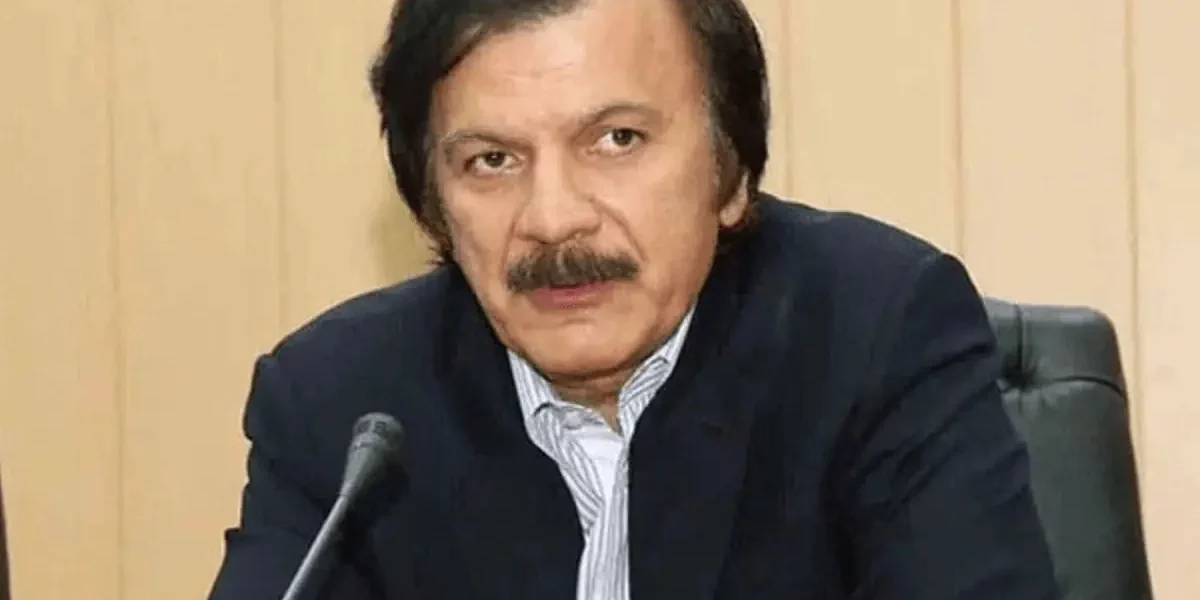
Adviser to the Prime Minister for Industries and Production, Haroon Akhtar Khan, has called for a robust export strategy to position Pakistan’s poultry industry as a major player in international markets.
Speaking at the International Poultry Expo (IPEX) 2026 in Lahore, Khan highlighted the industry’s potential to contribute significantly to food security, employment, and economic growth.
He emphasized the need for the poultry sector to move beyond domestic demand and compete globally, stressing the importance of efficient production, affordable nutrition, and adherence to international quality standards.
Despite challenges such as high production costs, disease-related issues, and energy pressures, the industry has shown resilience and maintained production, underscoring its importance to the national economy.
Khan highlighted the government’s commitment to translating policies into practical outcomes, with increased investment, industrial expansion, and employment creation as key indicators of success.
He stressed the need for uninterrupted availability of poultry feed and other essential raw materials, urging decisions regarding imports to be based on clear requirements and within defined timelines.
The adviser called for a focus on expanding access to international markets for processed, packaged, and branded halal poultry products, alongside halal certification, disease surveillance, and internationally recognized processing standards.
Biosecurity was identified as crucial not only for protecting poultry farms but also for safeguarding export opportunities, while an efficient cold-chain system was necessary to maintain product quality and protect the reputation of Pakistani brands.
Modern technology, precision feeding, advanced genetics, early disease detection, and digital monitoring were highlighted as key areas that could significantly improve productivity and competitiveness.
Khan urged international partners to support technology transfer, training, and development of local supply chains, while calling for greater opportunities for young people in biotechnology, engineering, food science, entrepreneurship, and other poultry-related fields.
He stressed the importance of a strong government-industry partnership for sustainable growth, emphasizing clear priorities, defined responsibilities, and an effective follow-up mechanism to resolve industrial issues and ensure implementation.
Pakistani poultry products should be of a standard that encourages international buyers to choose them repeatedly on the basis of quality and competitive value.
Haroon Akhtar Khan, Adviser to the Prime Minister for Industries and Production