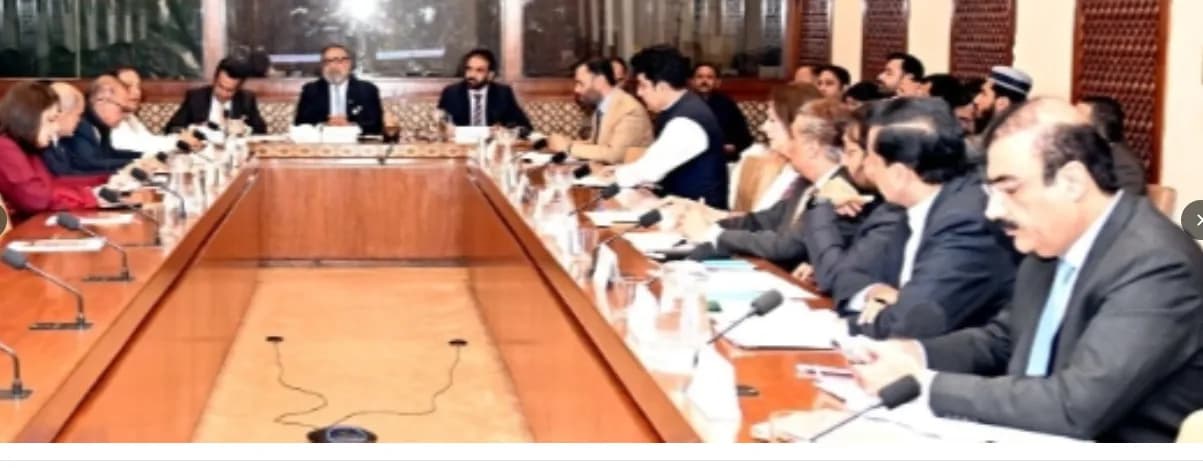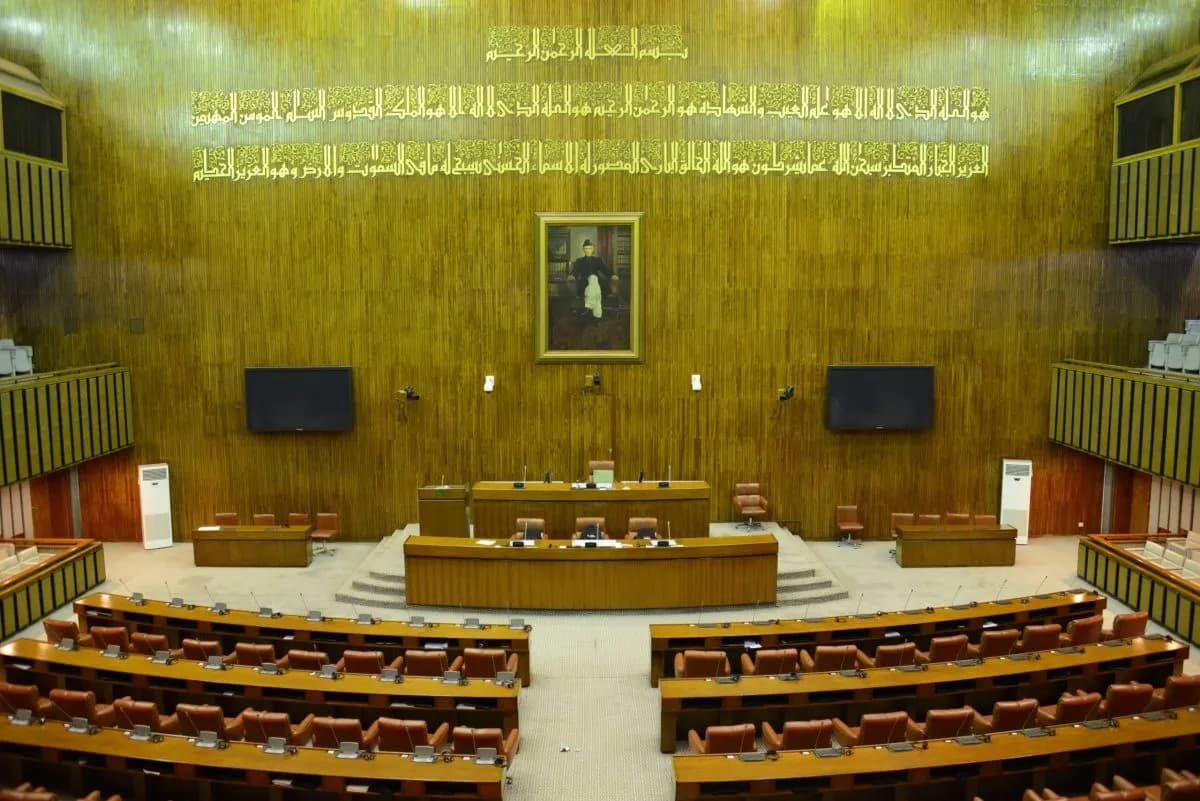
A Senate Sub-Committee on National Food Security and Research met on Monday to discuss recognizing tobacco as an agricultural crop. The committee, convened by Senator Aimal Wali Khan, sought to protect growers from unfair pricing practices and streamline taxation and refund mechanisms to promote exports.
During the meeting, tobacco growers from four major producing districts in Khyber Pakhtunkhwa raised concerns regarding high taxation, low prices offered by tobacco companies, and quota allocations. The growers alleged that companies were exploiting cultivators through unfair pricing while earning substantial profits. They also questioned why the Provincial Development Cess collected from tobacco-producing areas was being used in other districts instead of benefiting the areas where it was generated.
Senator Aimal Wali Khan questioned why a tobacco expo was organized in Karachi instead of in the actual production districts of Khyber Pakhtunkhwa, emphasizing the need to promote the sector where it is produced. The Sub-Committee also examined allegations from growers that company quotas were being used to influence prices.
Representatives of tobacco exporters informed the committee that an advance tax of Rs390 per kilogram on GLT-threshed tobacco, processed to meet export-quality standards, was making Pakistani exports less competitive. The Federal Board of Revenue (FBR) clarified that no tax or duty is imposed on tobacco exports, stating that the advance tax only applies when GLT-threshed tobacco is consumed domestically and is refunded upon export.
Senator Aimal Wali Khan expressed concern over the complicated refund mechanism and directed the FBR to provide details of tobacco exports, refunds issued, and pending claims from the last five years. He called for simplifying the refund process to facilitate exporters.
The Sub-Committee also addressed complaints from growers in Buner who struggled to sell their allocated quota. Growers stated that only one company purchased its allocated quota, while 13 companies had allegedly failed to make purchases, which they claimed could affect weighted average prices and expose cultivators to price manipulation. The convenor directed the Pakistan Tobacco Board (PTB) to take appropriate action.
The PTB chairman briefed the committee on a digitized dashboard being developed to improve transparency in cultivation, procurement, and exports. He also proposed a transition toward a market-based system to allow market forces a greater role in regulating the business.
The Khyber Pakhtunkhwa Agriculture Department supported changing tobacco’s status from a “good” to an agricultural “crop”. The Committee observed that this recognition could encourage research, improve quality, and strengthen the sector as a profitable export-oriented crop.
Senator Aimal Wali Khan directed the FBR, PTB, and other agencies to submit details on illegal cigarettes, surplus tobacco, manufacturers, corporate social responsibility (CSR) activities, and export refunds for the next meeting. He reaffirmed the Sub-Committee’s commitment to a framework that protects cultivators and promotes exports.