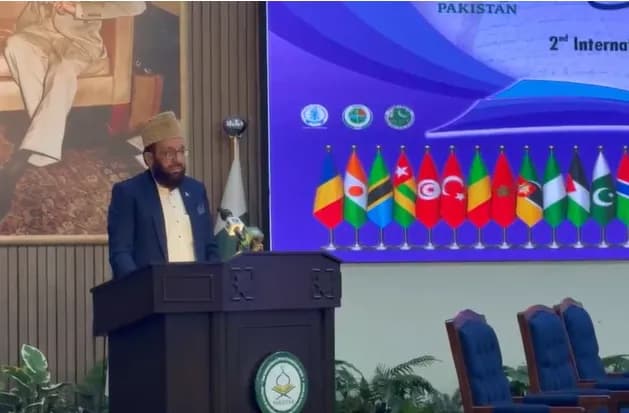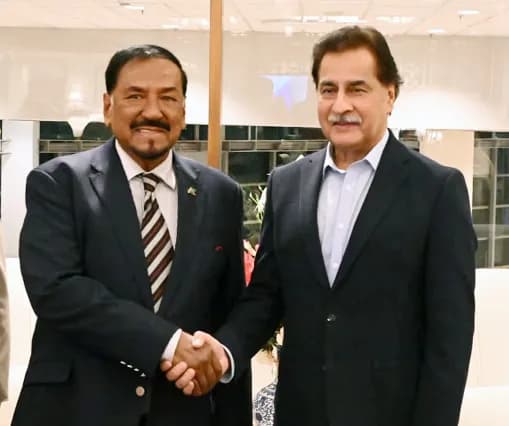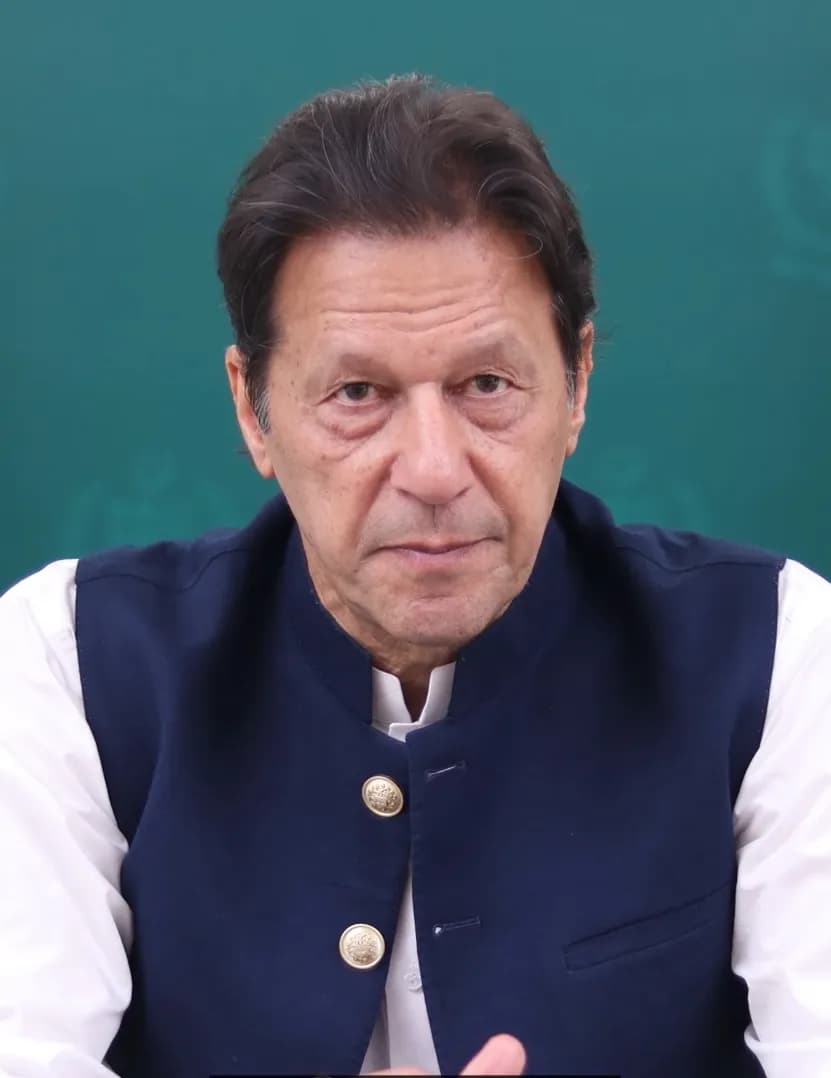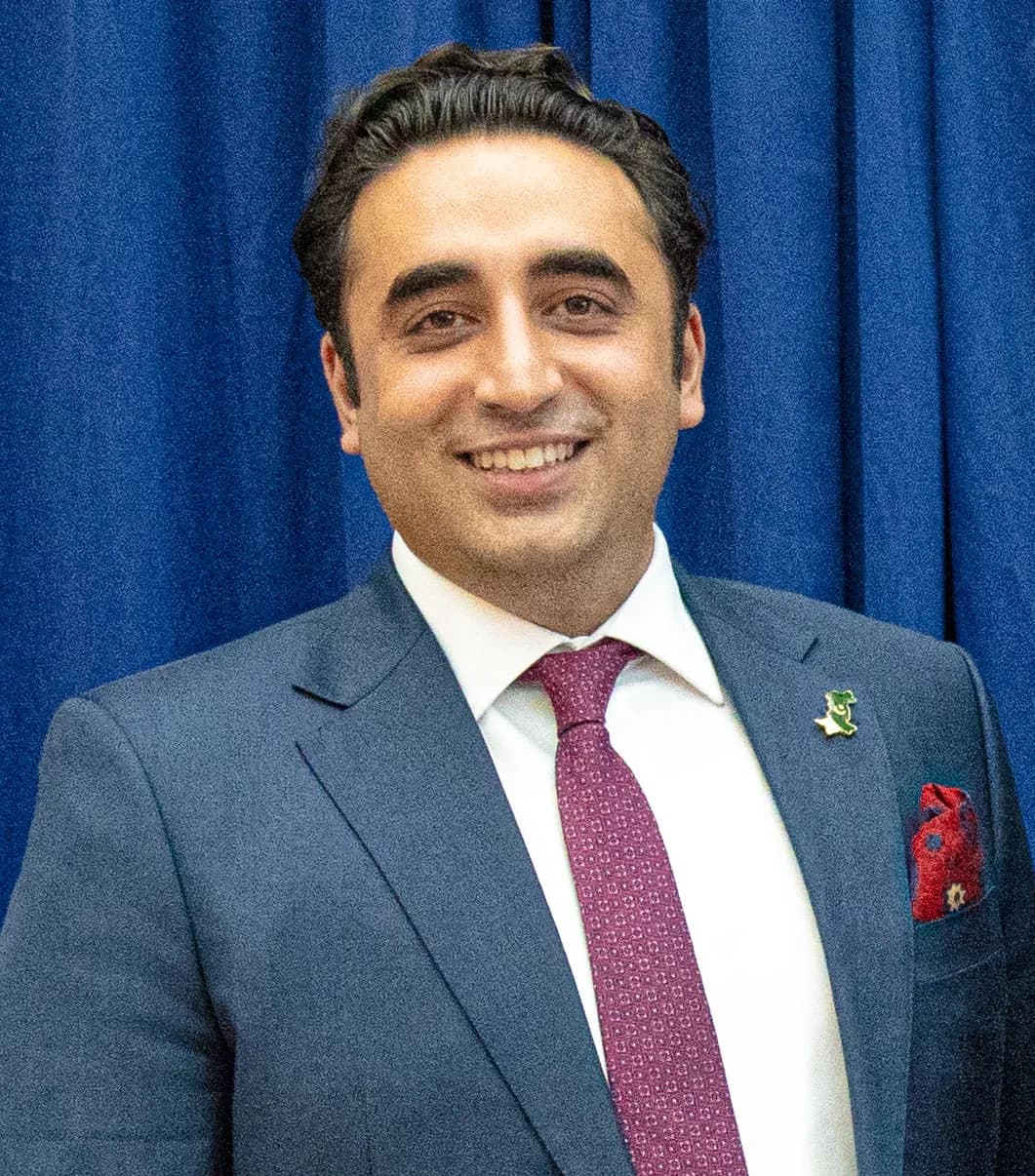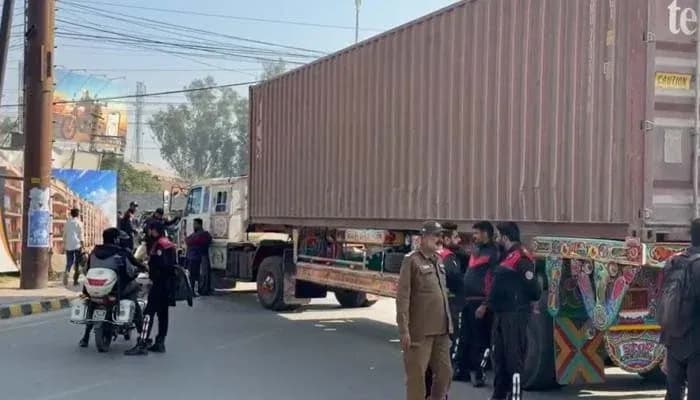
Jamiat Ulema-e-Islam-Fazl (JUI-F) chief Maulana Fazlur Rehman has alleged he is under a "state siege" in Lahore, claiming that police blockades and checkpoints have prevented him from attending a seminar at the Lahore High Court Bar Association. The party has accused the Punjab government of restricting his movement and subjecting its workers to harassment and arrests.
In a video message released on Tuesday, Fazl stated that he was prevented from addressing lawyers despite being a law-abiding citizen. "I am currently surrounded by state-imposed restrictions. The entire city of Lahore is filled with barriers," Fazl said. He further maintained that while the party has remained loyal to the country, it has "never accepted the slavery of any powerful individual."
The JUI-F has filed a petition in the Lahore High Court seeking the recovery of Fazl after police allegedly stationed personnel outside his residence in Lahore's Chuhng area. The plea, filed by JUI-F worker and lawyer Advocate Abrar Hussain, names the Punjab police chief and the Lahore deputy commissioner as respondents. Hussain contended that the police cordoned off the residence, "effectively confining him to his house." The petitioner also alleged that around 3,000 police personnel were deployed outside the residence and that authorities did not share a copy of the legal order authorising the detention or confinement of Fazl.
While the JUI-F claims the chief was prevented from leaving his home, police stated that personnel were deployed outside the residence and that Fazl had been asked to limit his movement.
Senator Kamran Murtaza condemned the actions, stating, "Maulana Fazl is the head of a major political party in the country. Preventing him from leaving his residence runs against fundamental civil liberties and democratic traditions." Murtaza added, "Political differences aside, there is no justification for obstructing the free movement of any leader."
JUI-F spokesperson Aslam Ghouri described the restrictions as a violation of constitutional guarantees and fundamental civil liberties. Ghouri stated that the party would not allow its leadership to be provoked into confrontation, adding, "JUI-F believes in constitutional, legal and peaceful struggle, not confrontation."
Fazl also alleged that the state has intensified pressure on the party since it highlighted the role of "powerful quarters" in exploiting mineral resources in tribal areas. He asserted that these resources belong to the people and not the federal government or any single institution. He further claimed that JUI-F workers in the Sargodha division are facing arrests, surveillance, and the sealing of businesses in Bhakkar, Mianwali, Khushab, and Sargodha ahead of a planned public gathering on November 26.
The tensions between Fazl and the federal government escalated in late October after Fazl criticized the Centre for imposing governor’s rule in Khyber Pakhtunkhwa. The party also reported that the residence of JUI-F leader Murtaza was raided on November 7, and that his bank accounts were frozen following his criticism of state repression.
Separately, the deputy commissioner issued an order imposing Section 144 in Lahore from November 24 to 26. The order cited a "serious and imminent threat" to public peace and security from militant and terrorist organisations, banning the assembly of five or more people in public places.