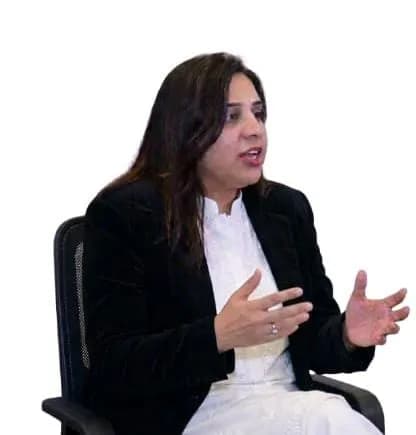
ISLAMABAD: Lawyer Hajra called for strengthening child protection mechanisms in schools through effective legal safeguards, institutional accountability and awareness programmes on November 29. She said these measures are needed to protect children from abuse, exploitation, child labour and other forms of violence.
Hajra told APP that child protection is fundamental to the development and well-being of society. She said safeguarding the physical, mental, emotional and psychological health of children is a collective responsibility of the state, educational institutions, parents and society.
She highlighted challenges including neglect, physical and sexual abuse, child labour, early marriages, cyberbullying and online exploitation. Hajra said such practices deprive children of their fundamental rights, education and a safe childhood.
Referring to the legal framework of Pakistan, Hajra said Article 25-A of the Constitution guarantees free and compulsory education to children aged five to 16 years. She noted that Article 11 prohibits forced labour and certain forms of child labour. She also referred to Sections 328-A, 377-B and 364-A of the Pakistan Penal Code, which deal with cruelty to children, sexual abuse and kidnapping in specified circumstances.
Hajra said the Prevention of Electronic Crimes Act (PECA) provides legal provisions against child pornography and related online offences. She emphasised the importance of protecting children from cyber exploitation and online predators.
Hajra said schools must adopt comprehensive child safety policies. These should include digital or biometric attendance systems to inform parents about unexplained absences. She said children should only be handed over at school closing time to parents or guardians authorised in the school records. She also said background and police verification of teachers, drivers, security guards and other support staff should be mandatory.
She recommended installing functional CCTV cameras at school entrances, corridors, playgrounds and other common areas. She said schools must eliminate security blind spots and ensure appropriate supervision of isolated sections of school premises.
Hajra said children should be taught age-appropriate lessons about safe and unsafe touch, personal boundaries and how to report inappropriate behaviour without fear. She called for confidential complaint mechanisms and an open-door policy in educational institutions to enable children to report abuse or harassment safely.
She said schools should pay attention to sudden behavioural changes, including unusual silence, fear or withdrawal, as these could indicate a child is facing abuse or distress. She also stressed the need for safety arrangements around school washrooms and other shared facilities to prevent unauthorised access and protect children’s privacy.
Hajra suggested appointing trained and independent legal advisers or child protection lawyers in schools to guide victims and families in cases of abuse, violence or exploitation. She said such legal support must operate independently and transparently so that children and complainants can report incidents without fear of social stigma, pressure from parents, intimidation by teachers or retaliation from school administrations.
She said an effective child protection system requires coordination among law enforcement agencies, educational institutions, legal professionals, parents and civil society to ensure a safe learning environment and access to justice for every child.