Key Takeaways
- Pakistan faces a $2 billion cotton import bill due to a projected 4.9 million bales production.
- The local spinning industry requires 10 million bales annually, necessitating significant imports.
- Experts call for urgent steps to revive cotton production and support farmers and the textile industry.
Pakistan is grappling with a substantial cotton shortfall, with the country projected to import more than 5 million bales to meet industrial demand, estimated to cost around $2 billion, or Rs. 600 billion.
According to a recent US Department of Agriculture report, Pakistan’s cotton production for the current financial year 2026-27 is expected to fall to just 4.9 million bales, far below the government’s target of 9.6 million bales.
The local spinning industry requires approximately 10 million bales annually, highlighting the gap that needs to be filled through imports.
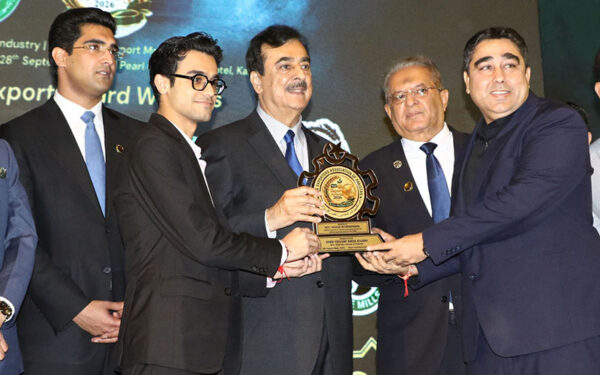
Mian Zahid Hussain, Chairman of the Policy Advisory Board at the Federation of Pakistan Chambers of Commerce and Industry (FPCCI), discussed the report, emphasizing the impact on foreign exchange reserves and the potential loss of revenue to local farmers.
Hussain noted that Pakistan’s cotton production has been consistently below earlier levels, with production standing at around 7 million bales in FY2023-24, 5 million bales in FY2024-25, and 5.6 million bales in FY2025-26, while imports reached about 6 million bales.
The continuous decline in cotton production is largely attributed to a 33 percent reduction in the area under cotton cultivation over the past decade, according to Hussain.
He also pointed to high industrial energy costs as another significant challenge for the sector, noting that industries in neighboring countries receive electricity at around 8 cents per unit, compared with 14 cents per unit in Pakistan.
Hussain supported demands to shift sugar mills out of cotton-growing zones, remove sales tax on cotton and related by-products, eliminate fixed taxes in electricity bills, and ensure full implementation of the Cotton Control Act.
He called for the government to launch the proposed “Grow Cotton, Save Economy” campaign on an emergency basis and provide the ginning sector with industrial status so it can access electricity and gas at competitive industrial rates.
The government needs to take urgent steps to revive cotton production and support cotton ginners, farmers and the textile industry.
Mian Zahid Hussain, Chairman of the Policy Advisory Board at the Federation of Pakistan Chambers of Commerce and Industry (FPCCI)