Key Takeaways
- Pakistan’s administrative map is struggling to serve a population of over 240 million.
- Concentration of government power in a few cities like Lahore and Karachi affects distant regions.
- Proponents of new administrative units argue for better access to state institutions and regional growth.
Pakistan’s administrative structure is under strain due to its vast population, with Punjab alone housing over 127 million people. The current system, designed for a much smaller population, is failing to meet the needs of its citizens effectively.
At the national level, Pakistan has 266 directly elected National Assembly seats for a population of 241.5 million, averaging one representative for every 908,000 people. This concentration of political power in a few major cities like Lahore, Karachi, Peshawar, and Quetta means that governance and development efforts are heavily skewed towards these urban centers.
The economic and social dynamics around these provincial capitals are well-documented. Ministries, senior bureaucracies, large hospitals, universities, courts, and development authorities are concentrated in these areas, drawing economic activity and professional services towards them. This concentration has significant implications for regions farther away, where the government’s reach is limited.
For instance, a citizen in southern Punjab experiences provincial government differently from someone in Lahore. The same holds true for Hazara in relation to Peshawar, or for distant districts in Sindh and Balochistan. Over time, geography becomes administrative distance, with files moving through longer chains and senior decision-makers remaining elsewhere.
The debate over new administrative units is directly linked to prosperity. Proponents argue that creating additional regional growth centers can help address these imbalances. South Punjab, for example, has seen the establishment of the South Punjab Secretariat in 2020, acknowledging the problem caused by placing all authority in Lahore. This move aimed to allow people in the area to have their issues resolved closer to where they live.
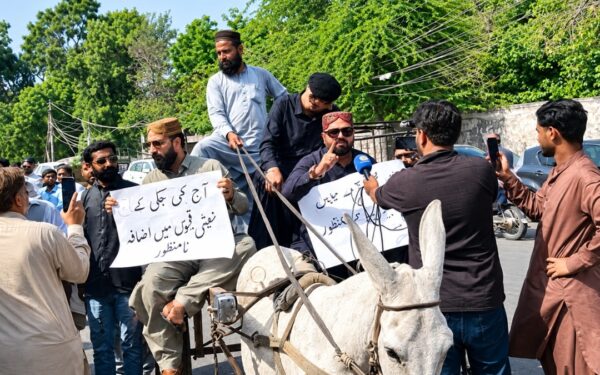
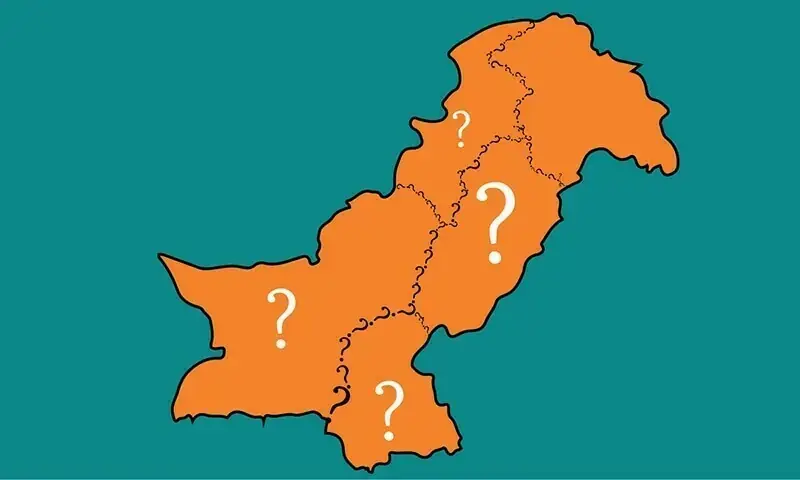
Hazara has also been a long-standing demand for a separate province, with the Khyber Pakhtunkhwa Assembly adopting resolutions in favour of this in the past. In August 2026, proponents again linked the demand with demographic growth, governance, and administrative feasibility. A rally calling for the restoration of the province of Bahawalpur was held in the same month, highlighting the ongoing demand for a separate province.
Each of these regions has its own unique history and political environment, but what unites them is the desire for better access to the state’s institutions and greater representation. The establishment of new administrative units could help address these issues, ensuring that governance and development efforts are more evenly distributed across the country.
The economic pull of administrative centers is well-documented. These centers create surrounding departments, courts, universities, hospitals, infrastructure, and jobs, drawing businesses and professional communities towards them. This concentration of resources and services can be seen across Pakistan, particularly around existing provincial capitals.