Key Takeaways
- Tetra Pak’s Noor Aftab highlighted the need for comprehensive reforms in food-safety laws and taxation.
- Pakistan’s dairy sector presents opportunities for improving productivity and supporting farmer incomes.
- 40% of children under five in Pakistan are stunted, described as a national emergency.
A senior representative from Tetra Pak, Noor Aftab, has emphasized the critical need for Pakistan to ensure that nutritious products remain both safe and high-quality, while also being affordable and accessible to consumers.
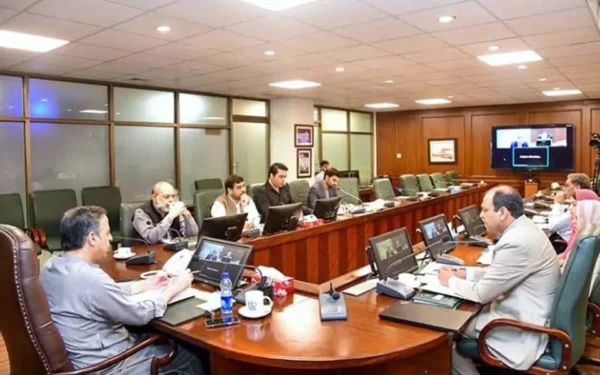
Speaking during a two-day dialogue, Aftab stressed that the challenge extends beyond mere food availability, emphasizing the importance of strengthening food processing, packaging, storage, and distribution.
He called for comprehensive reforms in food-safety laws and taxation, highlighting the urgent need to reshape legislation to support the delivery of safe, scalable, and processed nutritional products.
Aftab pointed out that structural fiscal reforms and taxation relief are crucial to keeping vital, nutrient-dense foods affordable, especially in the context of high inflation and reduced purchasing power.
He described food safety as the 'critical middle' of the food system, where processing, packaging, logistics, storage, and transportation play a vital role in ensuring that food reaches consumers safely.
Pakistan’s dairy sector, with its potential to support farmer incomes, food security, and future exports, was identified as a key area for improvement.
Aftab noted that average milk yields in Pakistan are significantly lower than in leading dairy markets, creating an opportunity to improve productivity and strengthen the economics of dairy farming.
Higher productivity, combined with greater processing capacity and stronger food safety systems, could significantly expand the economic potential of Pakistan’s dairy industry.
The dialogue also highlighted the importance of school feeding programmes, which can generate wider benefits when supported by strong food systems and sustained partnerships.
Tetra Pak has been involved in school milk programmes globally since 1962, with millions of children receiving milk and fortified beverages in Tetra Pak packages across countries.
The broader dialogue concluded that solving malnutrition requires fixing supply chain incentives, improving workforce capabilities, and standardizing food safety across the country.
A food or a product may be full of nutrition but may not be safe to consume.
Noor Aftab, Director, Corporate Affairs for Pakistan, Middle East, North and West Africa at Tetra Pak