Key Takeaways
- Pakistan's Petroleum Minister Ali Pervaiz Malik discussed diversifying oil sources with Libyan Oil and Gas Minister Khalifa Rajab Abdulsadek.
- Libya plans to upgrade its refineries and is interested in learning from Pakistan’s experience.
- Turkish Energy Minister Alparslan Bayraktar is expected to visit Pakistan to discuss seismic vessel operations.
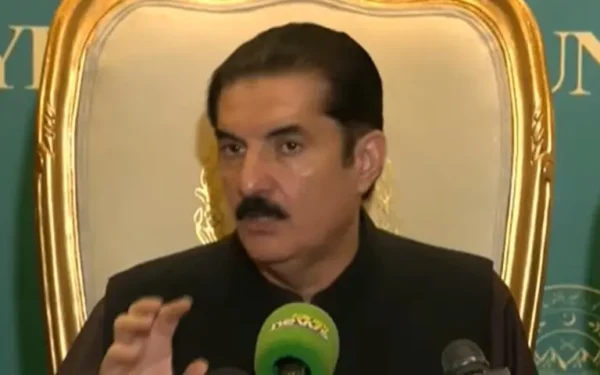
Pakistan's Petroleum Minister Ali Pervaiz Malik has encouraged domestic refineries to explore importing crude oil from Libya, as part of efforts to diversify energy supplies amid global disruptions.
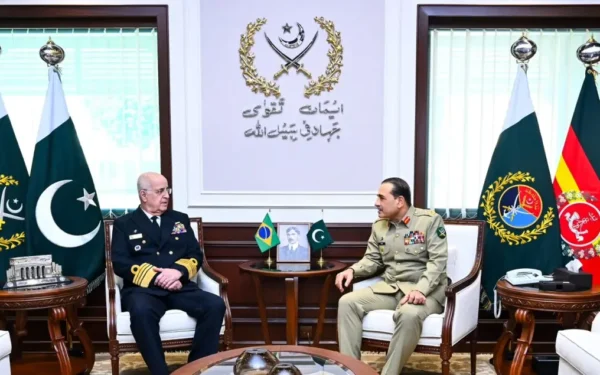
During a meeting on the sidelines of the 17th International Energy Forum (IEF) Ministerial Meeting in Riyadh, Malik held discussions with Libyan Oil and Gas Minister Khalifa Rajab Abdulsadek to strengthen cooperation in the oil and gas sector.
Malik stated that diversifying crude oil sources would help Pakistan maintain alternative supply routes, particularly in case of disruptions to key maritime passages such as the Strait of Hormuz and the Bab al-Mandeb Strait.
Abdulsadek expressed interest in allocating larger volumes of crude oil to Pakistani buyers and mentioned plans for Libya to upgrade its refineries, with a particular interest in learning from Pakistan’s experience in this area.
Separately, Turkish Energy Minister Alparslan Bayraktar is expected to visit Pakistan next month to receive a seismic vessel operated by Türkiye’s national oil company, TPAO, which will support Pakistan’s efforts to explore domestic energy resources.
Malik also met with Qatar’s Energy Minister Saad Sherida Al-Kaabi to discuss potential cooperation in the liquefied natural gas sector.
Addressing the IEF meeting, Malik highlighted the impact of the 2026 global energy supply shock, which affected not only oil and gas but also shipping and insurance.
Pakistan has managed to avoid energy rationing despite its reliance on imported energy, with support from Saudi Arabia, Qatar, and Kuwait.
Malik emphasized the need for international investment frameworks that balance energy security and sustainability with affordability and access.