Key Takeaways
- The government has approved the export of 250,000 tons of sugar.
- The decision aims to address potential supply gaps before the new sugarcane crushing season.
- Sugar prices may rise due to the export, as seen in previous years.
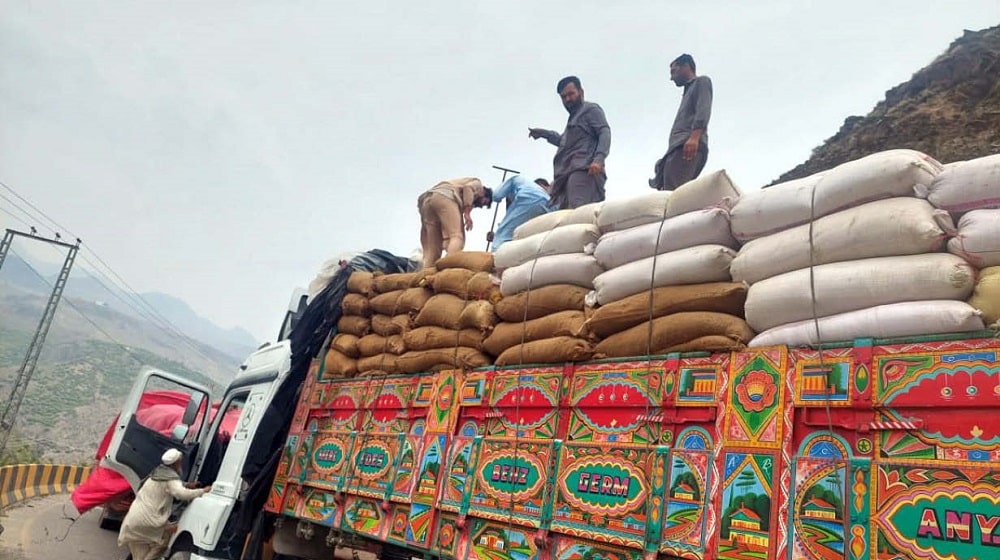
The government of Pakistan has approved the export of 250,000 tons of sugar from the domestic market, a move that could significantly impact local sugar prices. The decision was made by a committee headed by Deputy Prime Minister Ishaq Dar.
This export is scheduled to take place ahead of the new sugarcane crushing season, which is set to begin on November 15. The export is expected to create a supply gap in the domestic market, potentially leading to higher prices.
According to research, every Rs. 1 increase in the price of sugar can add around Rs. 5 billion to Rs. 6 billion to the value of sugar mills’ stocks. In the past, Pakistan experienced a sharp increase in sugar prices after exports were allowed, with prices rising from around Rs. 140 per kg to about Rs. 220 per kg.
The approved sugar for export will be sourced from the market and will not come from the stock held by the Trading Corporation of Pakistan (TCP). This decision is part of a broader strategy to manage the domestic sugar market and ensure a steady supply for the upcoming season.
The proposal will now be placed before the Economic Coordination Committee (ECC) and the federal cabinet for final approval. The government hopes that this measure will help stabilize the sugar market and prevent a repeat of the price hikes seen in previous years.
While the export is expected to benefit the sugar mills and the government’s revenue, it could also put pressure on local consumers who rely on affordable sugar prices. The potential impact on the economy and the livelihoods of sugar-dependent industries remains a concern.
The decision to export 250,000 tons of sugar is a strategic move to manage the domestic sugar market and ensure a steady supply for the upcoming season. However, it also highlights the ongoing challenges faced by the sugar industry in Pakistan.