Key Takeaways
- NLNG aims to start up its $10 billion Train 7 LNG project by the end of 2027.
- The project will expand NLNG’s capacity to 30 million metric tons per year.
- NLNG is still under a force majeure due to gas supply issues.
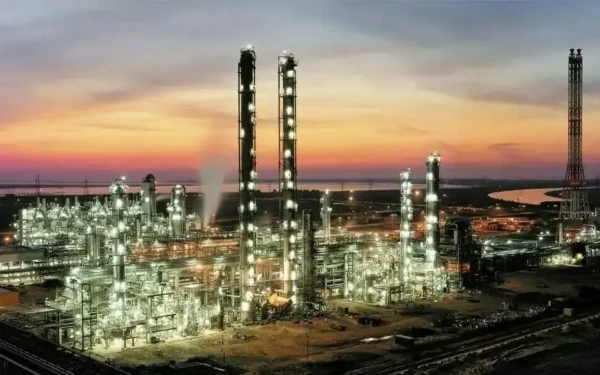
Nigerian LNG producer NLNG has announced its intention to commence the Train 7 LNG project by the end of 2027, aiming to significantly increase its production capacity.
The project, valued at $10 billion, is set to expand NLNG’s current capacity from 22 million metric tons per year to 30 million metric tons per year, making it a key player in the global LNG market.
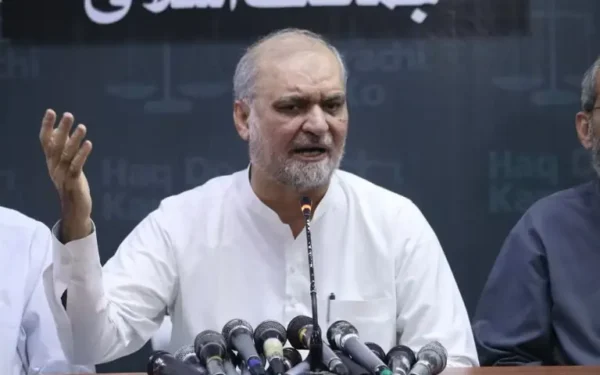
Despite facing repeated delays, including those caused by the COVID-19 pandemic and the Ukraine war, NLNG’s managing director, Adeleye Falade, expressed optimism about the project’s timeline.
Currently, the plant operates at 82% to 83% utilization, with a 15% gap still to be filled. Falade stated, 'Operationally, we are able to do that, but our biggest constraint is gas supply, and we’re working with all the relevant people, including the government, to be able to get more gas to flow into the plant.'
The company is still under a force majeure imposed in 2022 due to widespread flooding that disrupted its supply. NLNG is expected to lift this measure when it reaches a 90% utilization rate.
LNG prices above $20 per mmBtu are expected to impact demand, according to the chairman of India’s GAIL. However, NLNG remains focused on fulfilling its existing contractual obligations to its buyers under force majeure.
More interest in additional volumes and spot LNG cargoes has emerged, particularly after exports via the Strait of Hormuz were curtailed by the Iran war. Falade noted, 'People are looking at more diversified, reliable sources of supply.'
With NLNG majority-owned by the Nigerian National Petroleum Company and foreign partners including Shell, TotalEnergies, and Eni, the project is seen as a strategic move to enhance Nigeria’s position in the global energy market.
Operationally, we are able to do that, but our biggest constraint is gas supply, and we’re working with all the relevant people, including the government, to be able to get more gas to flow into the plant.
Adeleye Falade, Managing Director, NLNG
People are looking at more diversified, reliable sources of supply.
Adeleye Falade, Managing Director, NLNG