Key Takeaways
- A newly discovered dinosaur fossil, Norellraptor barsboldi, shows bird-like adaptations.
- The specimen, found in China, is between 100 million and 145 million years old.
- Researchers propose that these adaptations evolved independently in dinosaurs and birds.
A remarkable and near-complete feathered dinosaur fossil, Norellraptor barsboldi, has been discovered in China, shedding light on the independent evolution of bird-like traits.
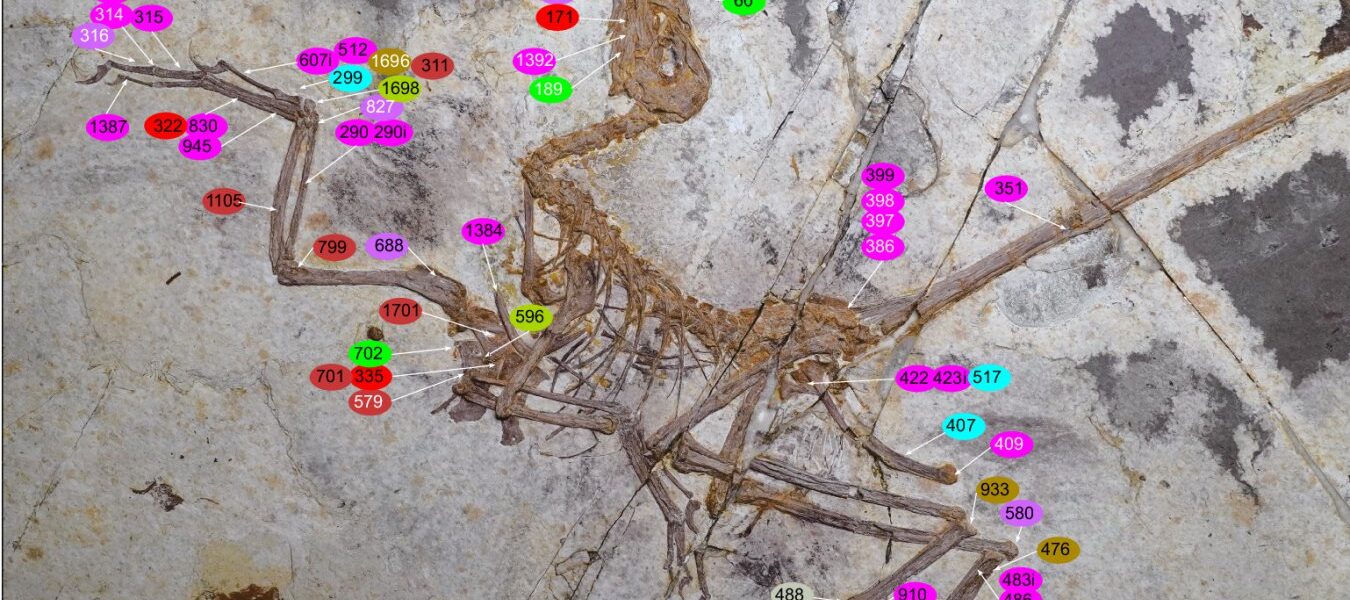
The 57-centimetre-long fossil, donated to Hebei GEO University in 2023, was found by a farmer near Lamadong, Liaoning, China.

The fossil, examined by Ji Qiang and his colleagues, includes plumage, teeth, wings, and an articulated spine, providing a detailed look at the dinosaur's anatomy.
Named in honour of palaeontologists Mark Allen Norell and Rinchen Barsbold, the specimen is classified as a new species within the microraptorine group, known for both feathers and wings.
The researchers believe the fossil represents a young adult, at least 3 years old when it died, and suggest its feathers may have been associated with flight.
Notably, the dinosaur shares several flight-related adaptations with birds, such as shortened and fused bones in the wings, but these features likely evolved independently.
Based on evolutionary relationships, the researchers found that around 30 per cent of anatomical changes in microraptorines also evolved in the bird lineage, but in a different order.
This suggests that the evolutionary path to flight was not a linear one, but that these innovations appeared independently in both groups.
The discovery, according to Jacqueline Nguyen from the Australian Museum, transforms our understanding of the origin of birds and how they evolved flight, highlighting the complex nature of evolutionary processes.