Key Takeaways
- Almost every home destroyed during the 2019-2020 bushfires in New South Wales was within 100 metres of flammable vegetation.
- Research confirms the effectiveness of risk maps used by authorities.
- Worsening fire conditions may require extending safety distances in the future.
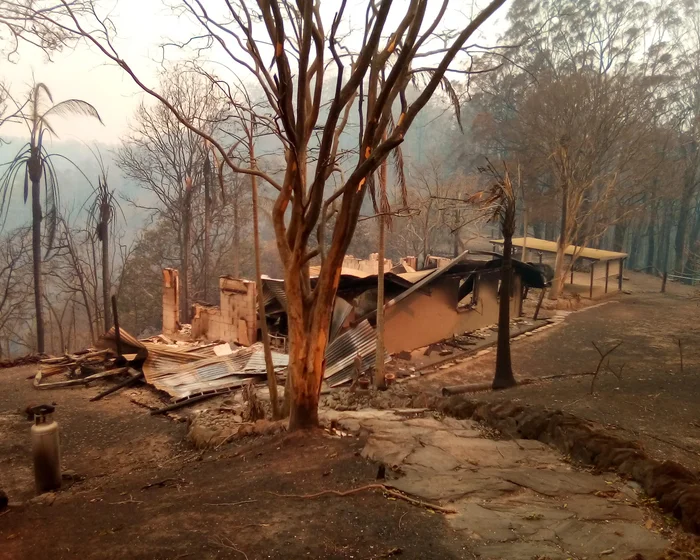
A new study has revealed that almost all homes destroyed during the 2019-2020 bushfires in New South Wales were located within a 100-metre buffer zone of flammable vegetation, according to research published by The Guardian. This finding supports the risk maps used by authorities to identify high-risk properties.
The research, which is exclusive to The Guardian, highlights the critical role of maintaining safe distances between homes and flammable vegetation. It suggests that as global heating intensifies, fire conditions may worsen, necessitating the expansion of recommended safety distances.
The study endorses the risk maps used by authorities, which have been instrumental in identifying properties most at risk. However, it also warns that as fire conditions become more severe, the buffer zones may need to be extended to ensure the safety of homes.
The findings are based on an analysis of the properties destroyed during the 2019-2020 bushfires, which were some of the most devastating in Australian history. The research underscores the importance of adhering to official advice and maintaining safe distances between homes and flammable vegetation.
While the study confirms the effectiveness of current risk maps, it also highlights the potential need for future adjustments. As global temperatures continue to rise, the frequency and intensity of bushfires are expected to increase, posing a greater risk to homes and communities.
The research calls for ongoing monitoring and adaptation of safety measures to ensure the protection of homes and the safety of residents. Authorities are advised to consider extending the recommended distances between homes and vegetation to mitigate the risks posed by worsening fire conditions.
The findings have significant implications for property owners and local authorities, who must continue to prioritize fire safety measures. The research serves as a reminder of the critical role of proactive measures in preventing the destruction of homes during bushfires.