Key Takeaways
- Master Changan Motors Limited launched four brands to expand its electric vehicle lineup.
- The company aims to introduce 30-plus new models by 2030, covering every segment and powertrain.
- The launch marks a significant step towards electrification in Pakistan’s automotive industry.
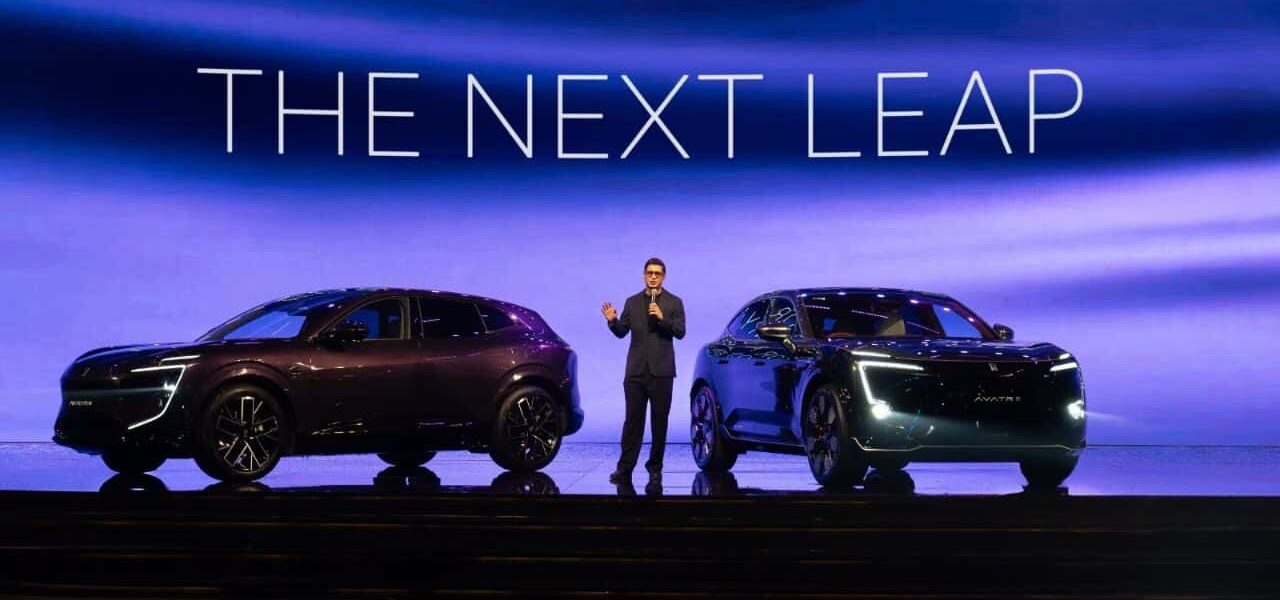
Master Changan Motors Limited, a joint venture between Changan Automobile and Pakistan, unveiled its House of Brands on 3rd October, marking its tenth anniversary. The company aims to introduce 30-plus new models by 2030, covering every segment and powertrain.
The launch event, attended by key industry leaders, celebrities, and opinion leaders, featured four brands: Changan, Nevo, and Deepal, each targeting different customer segments.

Changan will focus on mainstream mobility, introducing five new locally assembled models across the A, B, and C segments in petrol, hybrid, and plug-in hybrid, along with two new energy commercial vehicles.
Nevo, the mass electrification brand, will introduce five new battery electric, range-extended, and plug-in hybrid models across the B, C, and D segments.
Deepal, the premium intelligent electric mobility brand, will offer premium electric vehicles, signaling a move towards higher-end electric vehicles in the market.
The company has already made significant strides, with the S05, Extend your freedom, pioneering range-extended electric technology in Pakistan. Every model launched has become a volume seller and a segment leader.
Master Changan has invested USD 186 million in Pakistan over the last ten years, beginning with a plant at Port Qasim built in a record thirteen months. It has since changed the market one segment at a time, with models like the Karvaan, Alsvin, Oshan X7, and S05.
The company is now the #4 player in the market and #1 among all new entrants, Chinese and Korean, with over 85,000 vehicles on the road and 30 dealerships in 18 cities, all equipped with NEV-equipped with trained technicians.
The launch of the House of Brands is seen as a significant step towards electrification in Pakistan’s automotive industry, with the government aiming to move from assembly to manufacturing, from manufacturing to engineering, and ultimately to innovation.
The automobile has always been more than a machine—it is a measure of a nation’s industrial strength. And today, as mobility is being reinvented, Pakistan has an opportunity to become part of that transformation.
Haroon Akhtar Khan, Minister of Industries and Production