Key Takeaways
- Lebanon's economy is forecasted to shrink by 6.4% this year.
- Inflation is expected to reach 17.5%.
- The economic crisis has persisted since 2019, exacerbated by ongoing conflicts.
Lebanon continues to grapple with a severe economic crisis that has persisted since 2019, with recent events further complicating the situation. The World Bank has issued a grim forecast, predicting a 6.4% contraction in the Lebanese economy for the current year.
The situation is particularly dire for households, with inflation expected to soar to around 17.5%, squeezing the purchasing power of the average Lebanese citizen. This rise in prices is expected to have a significant impact on daily life, as families struggle to afford basic necessities.
The economic downturn has been further exacerbated by the re-ignition of hostilities between Israel and Hezbollah, which has derailed any semblance of a recovery seen in previous years. The conflict has not only disrupted trade and commerce but also added to the financial burden on the Lebanese people.
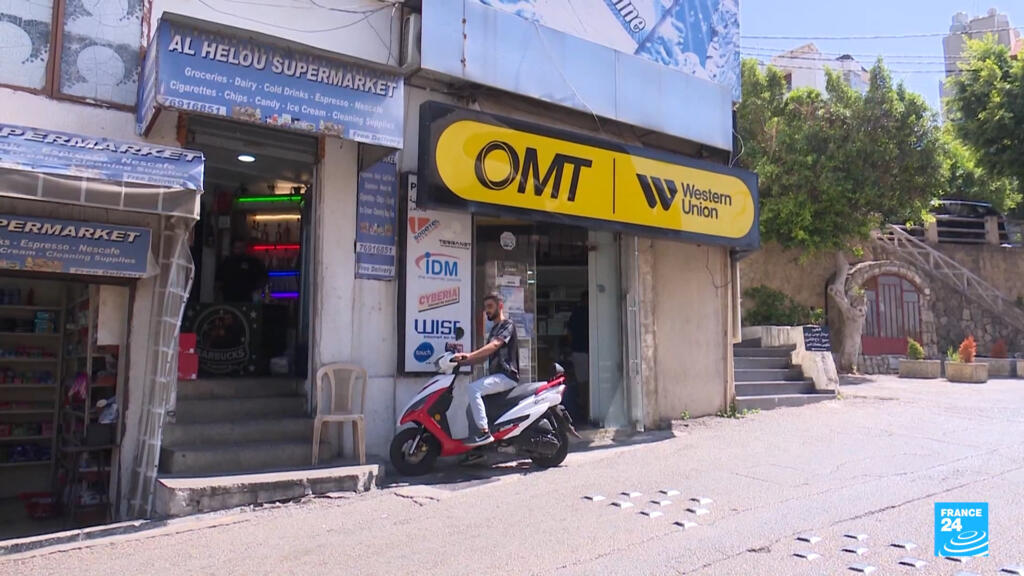
The economic crisis has manifested in various sectors. Businesses are facing challenges, with many struggling to maintain operations due to a lack of liquidity and increased costs. Consumer habits have also shifted, with many Lebanese citizens adopting more frugal practices to cope with the economic strain.
The situation is not limited to the private sector. The public sector is also feeling the pinch, with government services and infrastructure projects facing delays and cancellations due to a shortage of funds. This has led to a growing sense of frustration among the population, who are increasingly calling for urgent economic reforms.
The ongoing crisis has also highlighted the deepening divide within Lebanese society. The rich-poor gap is widening, with the wealthy managing to insulate themselves from the worst effects of the economic downturn, while the middle and lower classes are bearing the brunt of the crisis.
Despite the dire economic outlook, there are some who remain optimistic. Economists and policymakers are calling for a comprehensive reform package to address the root causes of the crisis, including corruption, mismanagement, and lack of transparency. However, the path to recovery remains uncertain, with many challenges still to be overcome.