Key Takeaways
- KP government’s mosque solarization project has faced scrutiny over irregularities in bidding and contract management.
- Winning bids exceeded official estimates by 7.98% to 10.99%, costing the public over Rs. 500 million.
- Questions have been raised about the handling of delays and the awarding of contracts despite penalties.
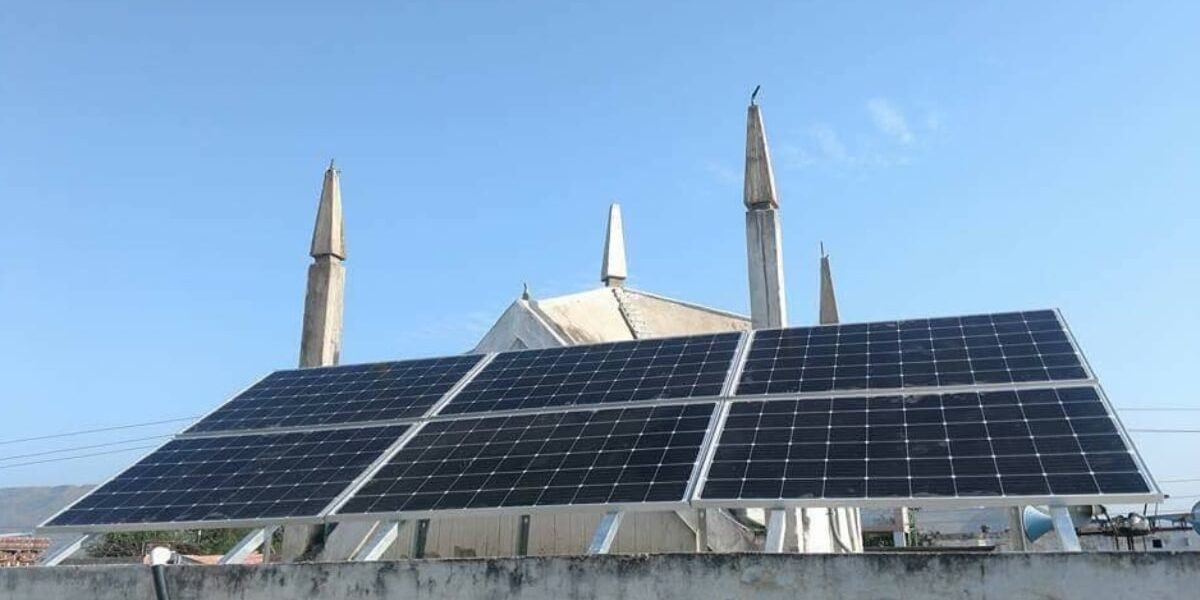
The Khyber Pakhtunkhwa government’s mosque solarization project has come under intense scrutiny over alleged irregularities in bidding, project costs, and contract management. Documents reveal that winning bids for all seven packages covering the solarization of 2,490 mosques during the PTI government exceeded official estimates by 7.98% to 10.99%, adding an additional financial burden of more than Rs. 500 million on the public exchequer.
Further concerns have been raised over the estimated cost per solar unit, which reportedly differed by around Rs. 156,000 from the cost of a previous project executed by the National Radio and Telecommunication Corporation (NRTC).
The project has also faced criticism over delays in the NRTC’s earlier contract. The documents cite a potential penalty of around Rs. 586 million for the delays, but instead of imposing the penalty, the organization was awarded another contract to solarize 500 mosques, estimated to cost Rs. 419.1 million.
The Khyber Pakhtunkhwa Energy Development Organization (PEDO) has defended the project, stating that all legal requirements and transparency standards were followed. According to PEDO, bids were evaluated under established rules and no firm received illegal benefits.
However, PEDO acknowledged delays due to funding constraints and administrative issues. The province has set an overall target of solarizing 7,500 mosques, with the current project being a significant part of this initiative.
Critics argue that these irregularities raise serious questions about procurement decisions, cost calculations, and the handling of contractual obligations. The allegations have sparked a debate on the transparency and accountability of government projects in Khyber Pakhtunkhwa.
The project’s defenders maintain that the process adhered to all legal and procedural norms, but the controversy has put the initiative in the spotlight. As the debate continues, the future of the project and its impact on the province’s energy landscape remain uncertain.
The allegations have prompted calls for a thorough investigation into the project’s management and financial aspects. The public and stakeholders are closely watching the developments to ensure that the project’s objectives are met without compromising on integrity and transparency.